A Cara Collective

  • Shop
    • Banners & Backdrops
  • Work
  • About
    • Meet Cara
    • Contact
    • Inquire
Copy of April Pins (7).png

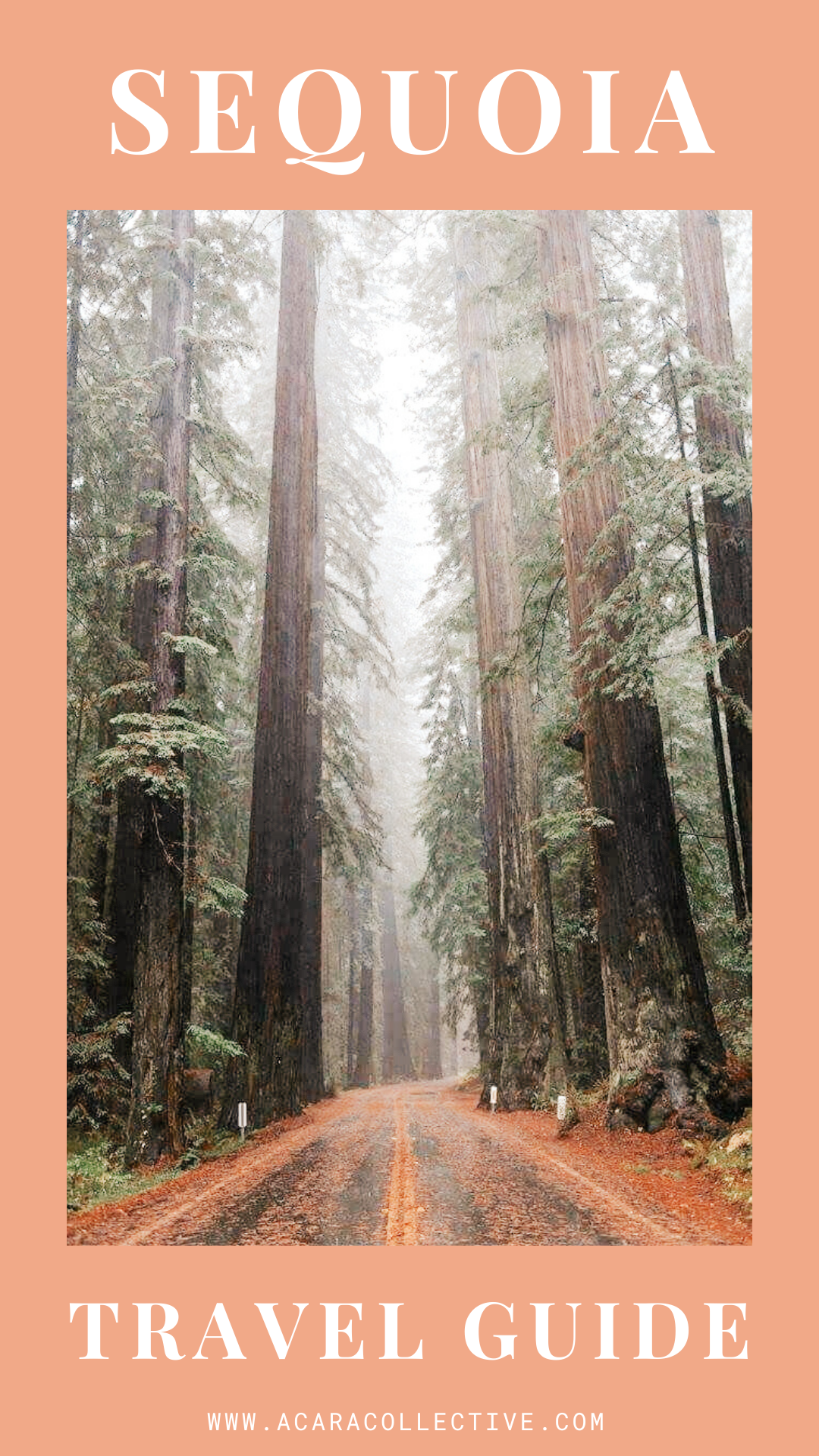
National Park Travel Guide: Sequoia

April 26, 2020 by Cara Lentz in Travel

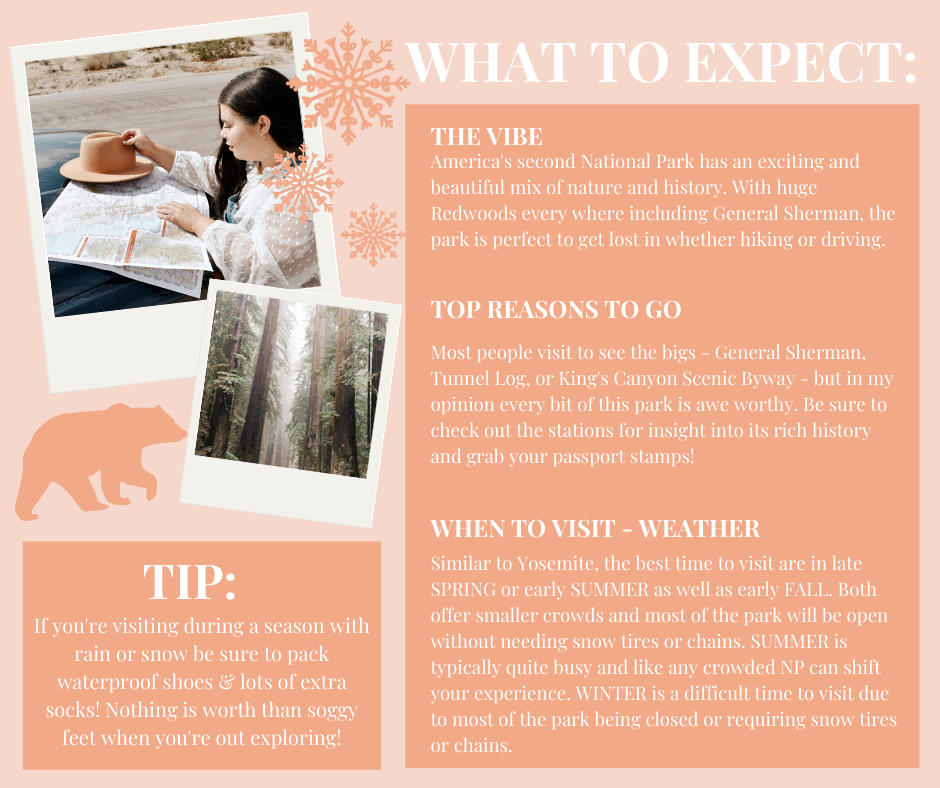
Sequoia was the first super wintery park I visited in early March and I learned a ton here! It’s absolutely stunning in the winter, but I would recommend really giving this park a go in warmer months even if it is busier. Be sure if you’re visiting in the wintery months to be familiar with slapping on snow chains & pack lots of warm clothes! Until then, I hope you enjoy this guide & find it helpful!

NP Basics (ALL) (6).png
1.png

Hospital Rock - this huge rock was once used for trapping bears, but, in a twist of fate ended up injuring the trapper and he was nursed back to health. You’ll notice bowl like shapes at the top which were used for grinding up all sorts of things to produce flour and the like.

Paradise Creek - You can take this creek for some beautiful views! You will start off by hospital rock and make your way about half a mile towards a campground where the trailhead is. There is the Middle Fork Bridge just under a mile in you can stop at to either view the waterfall or hop in the swimming hole.

General Sherman Loop - This is a super short hike that will take you to General Sherman! If you want to keep exploring, there is a nearby trail called the Congress Trail. If you DO visit in the winter, know that it will be a bit more complicated depending on the amount of snow. Consider bringing snow shoes or boots for this just in case they get a little too damp from the snow.

Moro Rock - while this is only available during the summer it is just under a mile with climbing stairs. Be sure to check to see if the road is open because it does close from time to time, especially during the cold seasons.

Tunnel Log - just like it sounds, this is a log you can actually drive through depending on the size of your car! Located on a loop, you can actually just keep driving through it over, and over again! In the summer you can drive right up to it, but in off seasons you have to hike to get there as the roads are closed.

General Grant Loop - this is a pretty easy hike that is only 30 minutes or so with lots in it. From sequoias once used as hotels, stables and other shelters there’s a good deal of history too!

Big Stump Trail - if you come in the off season, this trail will be totally snow packed and muddy so be sure to have a change of clothes or shoes. This is one of those trails snowshoes may be a necessity. There are places to rent shoes so be sure to do your research if this is the time of year you’re going!

Humes Lake - Again, this is totally seasonal BUT is a great beauty to check out even in the winter where you can’t swim.

Crystal Caves - Only open between May and September, these two crystal caves are supposed to be amazing! You can see stalactites and stalagmites and so much more!

The Giant Forest Museum - not only can you get a stamp here, you can also learn more about the giant Sequoias throughout the forest. It’s a great stop too to use the restroom and get A/C or warmth. If you have questions or want suggestions on what to do, asking the Rangers is an excellent route to go. They also will have up to date info on any closings that tend to occur in winter months.

Get your Passport Stamps across the park at:

  • Crystal Cave Bookstore/Ticket Booth

  • Foothills Visitor Center

  • Giant Forest Museum

  • Lodgepole Visitor Center

  • Mineral King Ranger Station

  • U. S. Post Office

Know your entrances - Sequoia has two entrances - Three Rivers (the Sequoia National Park Entrance) or the Ash Mountain Entrance OR the Big Stump Entrance closest to Fresno (through Kings Canyon National Park Entrance)

There are NO gas stations in the park - plan ahead and be sure to fill up before you enter!

DRINK WATER! and pack even more given limited options within the park. You always want to be sure you’re hydrating, especially when you’re taking on more rigorous hikes and activities in the elevation.

Drive safe! the roads are super, super windy. If you have a tendency to get car sick, prep with meds and give yourself breaks as needed.

Beware of the Wildlife - Bears call this part of the country home so be aware if you’re camping to not leave food scraps around and when hiking carry bear spray. If you do see anything be sure to enjoy the view from a safe distance away and DO NOT approach them!

Pack for all the seasons: No matter when you visit, it’s essential to dress in layers and be prepared for all the seasons. Given differing elevations your layers will come in handy!

Use the pull offs! With thousands of people driving through the park regularly traffic is a huge issue. Don’t make it any worse by stopping in the middle of the road to check things out. Use the pullouts, get your long views and enjoy but be courteous to others.

Leave No Trace - You might hear phrases like this throughout the Park & the community who appreciate it but it is a pinnacle of being a steward to our parks. Do your very best to make as little impact as possible on nature by keeping vehicles on paved areas, not disturbing or altering wildlife, cleaning up after yourself (and others), essentially - leave it better than you found it.

If you want smaller crowds, consider visiting in the off-season or even shoulder seasons!

Know your hiking abilities and pick trails accordingly. It is totally ok to not be a professional hiker who can’t take on the difficult hikes. Taking on hikes that are above your abilities will almost certainly end in injury or some other emergency you don’t want ruining your trip. Be safe and pick trails in a smart way. You can always go back if something is too difficult.

RV’s & Trailers are PROHIBITED! While this isn’t true everywhere, it is nearly everywhere. This park is best visited with a regular vehicle if possible. If you are wanting to bring an RV or trailer be sure to do your research and plan ahead prior to visiting.

Tell someone what you’re doing & set up a check in time/date - any time you’re in the outdoors with spotty service be sure to share your plans with someone outside the park. By setting up a time/day check in you can be assured if emergency arises there will be someone to report you missing.

If you see Marijuana Plants… get the hell out of there - alright so this might sound kind of weird, right? While I personally have zero problem with marijuana (in fact I think it should be totally legalized & decriminalized retroactively as well) if you come across these in a NP it’s likely part of an illegal situation. Having actually had this happen to me in the Redwoods I can tell you some of the folks running these ops will not hesitate to harm you to keep what they’re doing secret. As soon as you realize what is going on, get out. Don’t take photos or look around, just leave. Go back exactly how you got in and be as quite as possible. Get to a safe location as far away as possible and if you would like, notify the Park Dispatch with your exact location (coordinates or physical description).

Have an emergency? Call 911. While your cell might not work in the park, there are pay phones and emergency phones located throughout the park as needed and any will dial 911.

Bring waterproof shoes - if you plan on going in the Spring or Fall be sure to pack waterproof shoes. Even if there’s no rainfall or snowfall, tracking through it will make your feet so awfully uncomfortable. Additional socks are even more important.

Learn how to put chains on tires - before you head out and while you have service, be sure to check out some tutorials on how to put your chains on. Worst comes to worst rangers or kind strangers (typically with large vehicles) will offer to help!
Copy of April Pins (8).png
April 26, 2020 /Cara Lentz
California, travel, Travel, National Parks
Travel
Comment
Copy of April Pins (6).png

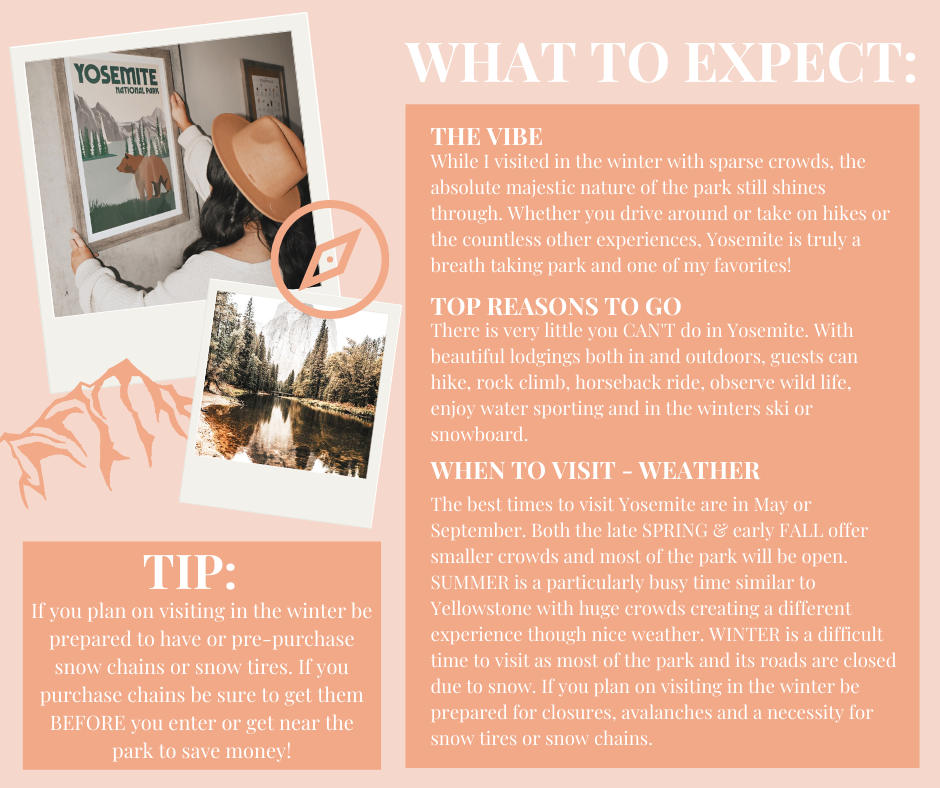
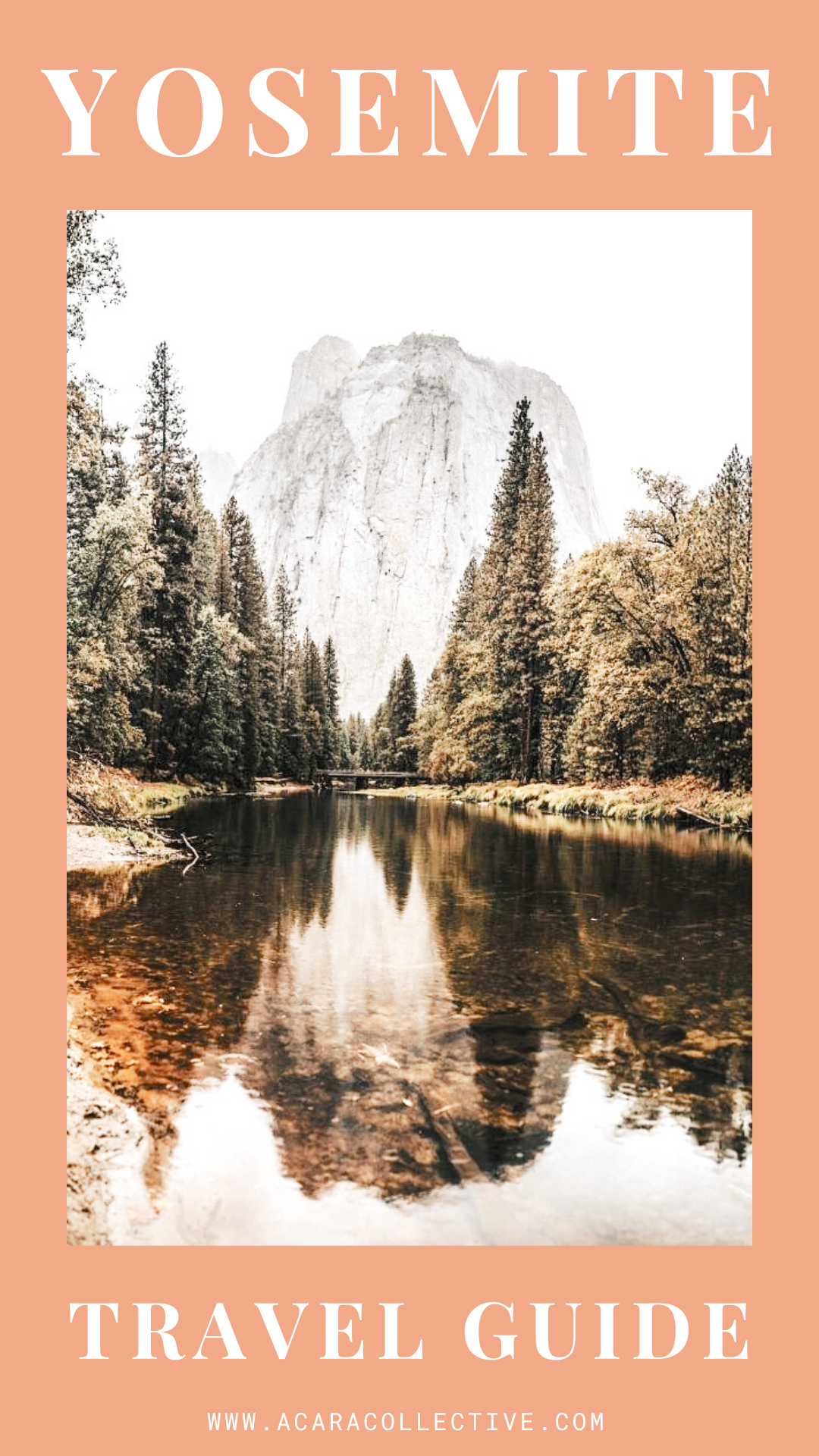
National Park Travel Guide: Yosemite

April 25, 2020 by Cara Lentz in Travel

While my first time at Yosemite was in the winter I can’t even begin to say how magical of a park this place is. Whether you love taking in views, hiking, swimming or one of the other many things you can do here, Yosemite is not one to miss. I can’t wait to get back out here during warmer months to explore some things that weren’t available when I first visited but until then, here are my best suggestions, tips and tricks.

NP Basics (ALL) (5).png
1.png

Yosemite Falls - whether you see it from far away or up close you’ll be struck by it’s beauty (like most of the park)

Glacier Point - Getting up here from the Valley floor is quite a long drive, nearly an hour, but it will be so worth it once you get to the top. I was here around sunset and holy wow I have never seen such beautiful and unique lighting in my life.

B1E00258-2DEA-46FB-826E-BF3D015E0A73.jpg

See the Giants - Like many parts of Northern California, there are countless giants for you to see and explore. Mariposa Grove has many and is a great area to check out.

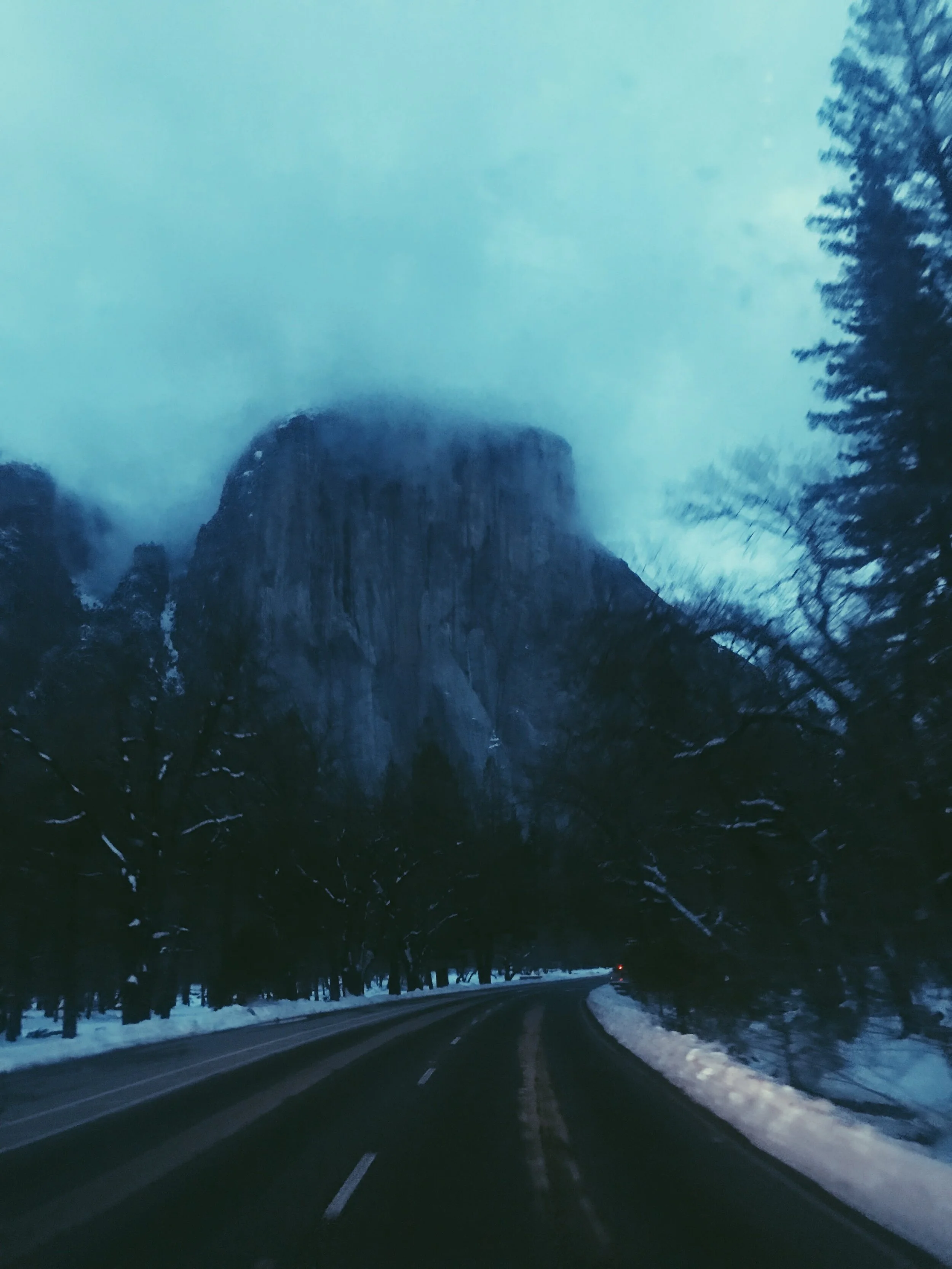
El Captain - one of the most iconic views in Yosemite can be seen from Tunnel View and other look outs in the park. It’s pretty hard to miss, but either way ensure you give yourself time to really take it in!

Cook’s Meadow Trail - this perfect 2-mile loop will take you past AMAZING views of Yosemite Falls, Half Dome and Glacier Point.

Tunnel View - To get up here you’ll deviate off Wawona Road a bit (and there is limited parking so be patient) but it will give you an amazing view including all of Yosemite Valley, East and West.

C6C3AD78-4674-464C-B804-A9D46094D85B.jpg

Bridalviel Fall - One of the park’s most iconic features is able to be experienced from a few perspective, including the bottom of the fall only a short, half-mile or so walk.

Yosemite Valley Chapel - one of the oldest standing structures in the park, this wooden chapel was originally located in the Lower Village but had been moved since.

Mist Trail - while I personally wasn’t able to do this trail while visiting it has been highly recommended and something I want to do when I get back in warmer months. In total the trail is a little under 5 and a half miles but you don’t actually have to do all of the 5.4 miles to enjoy it. First you come across Vernal Fall Footbridge about 1.6 roundtrip in so you can stop there as needed. In another half mile loop, you’ll make it to Vernal Fall. If you want to do the final stretch this is said to be much more difficult but will take you to Nevada Fall.

91C3B51A-CF8E-41DF-8A2A-7B8414FE9C41.jpg

Get your stamps! You can find any of the various stamp stations here:

  • Arch Rock Entrance Station

  • Badger Pass Ranger/First Aid Station

  • Big Oak Flat Entrance Station

  • Big Oak Flat Information Station

  • Happy Isles Nature Center

  • Hetch Hetchy Entrance Station

  • Information Office at Park Headquarters

  • South/Wawona Entrance Station

  • Tioga Pass Entrance Station

  • Tuolumne Meadows Visitor Center

  • Tuolumne Meadows Wilderness Center

  • U. S. Post Office, Wawona

  • U. S. Post Office, Yosemite National Park

  • Wawona Visitor Center

  • Yosemite Valley Visitor Center

Wear sunscreen - even if you come in colder months like I did, the snow is quite reflective! Be especially sure if you visit in summer to keep up on putting on your SPF

DRINK WATER - it may seem like something you couldn’t forget but its easy to forget to refill and be mindful of your changing needs given the higher elevation! Be sure to fill up at stations and keep sipping away throughout your adventures in the park!

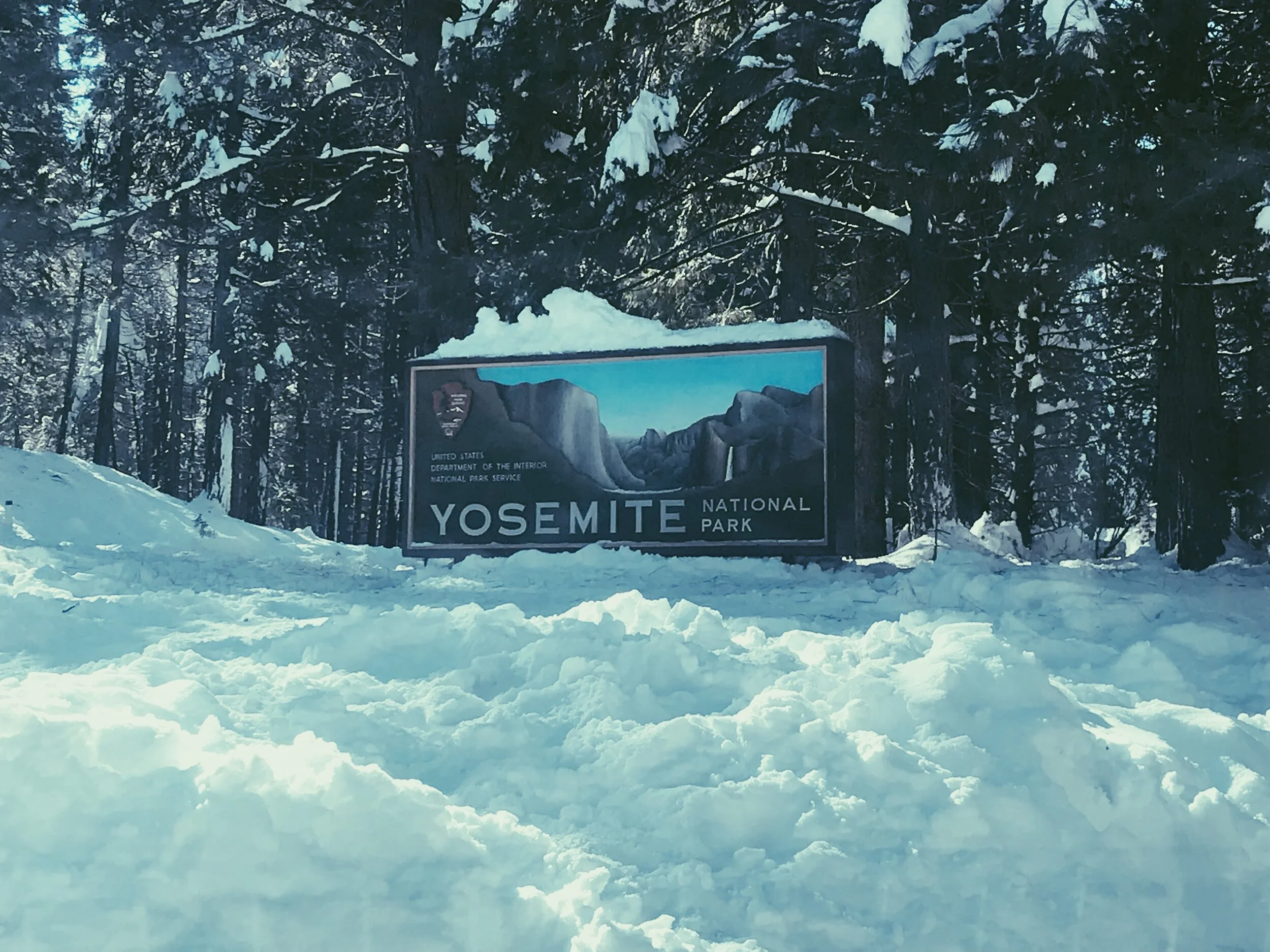
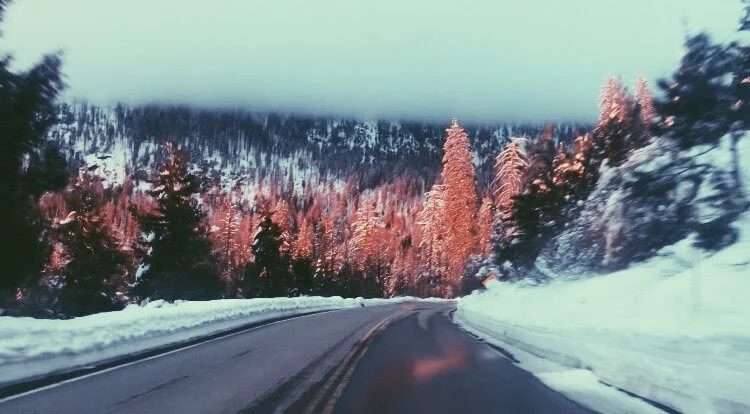
If you come in the winter months, have snow tires or chains - many portions of the park are not accessible without chains or snow tires so be sure you and your vehicle are prepared if you plan on coming this time of year. Additionally, be prepared for busy lots where people are putting their chains on. If you know how to do this, offer your help - it is really intimidating for first timers!

Dress in layers! No matter what time of year it is, this is a good rule of thumb. Down in the Valley, it can be chilly in the morning but this can change throughout the day heating up into the afternoon.

Wear comfortable shoes & upgrade to boots as needed! Depending on the time of year you visit will determine the shoes you need to wear, but, either way make sure they’re smart for a lot of walking!

If you want to give your feet a rest, rent bikes! Available at Half Dome Village, you can rent bikes and make your way around the park.

Arrive with a plan (sort of) - Like many NPs, Yosemite is absolutely massive and if it wasn’t auditing enough, showing up with out a plan or least idea of what you want to do is a mistake. Be sure to have a plan if not at least some portion of a plan with what you want to do with your time in Yosemite.

If you really want to see waterfalls, don’t come in the fall - While when I visited there were falls going, apparently they run dry in the fall. If this is important to you, try avoiding this time of year.

Don’t arrive in the middle of the day - Not only is the one of the busiest times - meaning getting parking will be a nightmare - it also means you’ve missed out on a great deal of the day. If you can, arrive early in the morning!

Don’t leave without a full tank of gas - Seriously, try getting gas as far away from the park as possible. Gas near the park is almost always nearly $5.00/gallon which make up some of the most expensive gas in the entire state. Make sure getting gas is part of your planning before you get in the park.

Tell someone what you’re doing & set up a check in time/date - any time you’re in the outdoors with spotty service be sure to share your plans with someone outside the park. By setting up a time/day check in you can be assured if emergency arises there will be someone to report you missing.

Know your hiking abilities and pick trails accordingly. It is totally ok to not be a professional hiker who can’t take on the difficult hikes. Taking on hikes that are above your abilities will almost certainly end in injury or some other emergency you don’t want ruining your trip. Be safe and pick trails in a smart way. You can always go back if something is too difficult.

Leave No Trace - You might hear phrases like this throughout the Park & the community who appreciate it but it is a pinnacle of being a steward to our parks. Do your very best to make as little impact as possible on nature by keeping vehicles on paved areas, not disturbing or altering wildlife, cleaning up after yourself (and others), essentially - leave it better than you found it.

Use the pull offs! With thousands of people driving through the park regularly traffic is a huge issue. Don’t make it any worse by stopping in the middle of the road to check things out. Use the pullouts, get your long views and enjoy but be courteous to others.

Beware of the Wildlife - Bears call the Redwood home so be aware if you’re camping to not leave food scraps around and when hiking carry bear spray. If you do see anything be sure to enjoy the view from a safe distance away and DO NOT approach them!

DO NOT leave food in your car/improperly stored - While there might not be grizzly’s, the black bears here have a keen nose and will be very interested in any food not stored properly in the bear containers. Be safe and not sorry!

Know your entrance! With five entrances, it is important to know which one you are entering through, especially if you are trying to snag a campsite or even in allocating time to one region of the park.

Copy of April Pins (5).png
April 25, 2020 /Cara Lentz
California, travel, Travel, National Parks
Travel
Comment
1.png

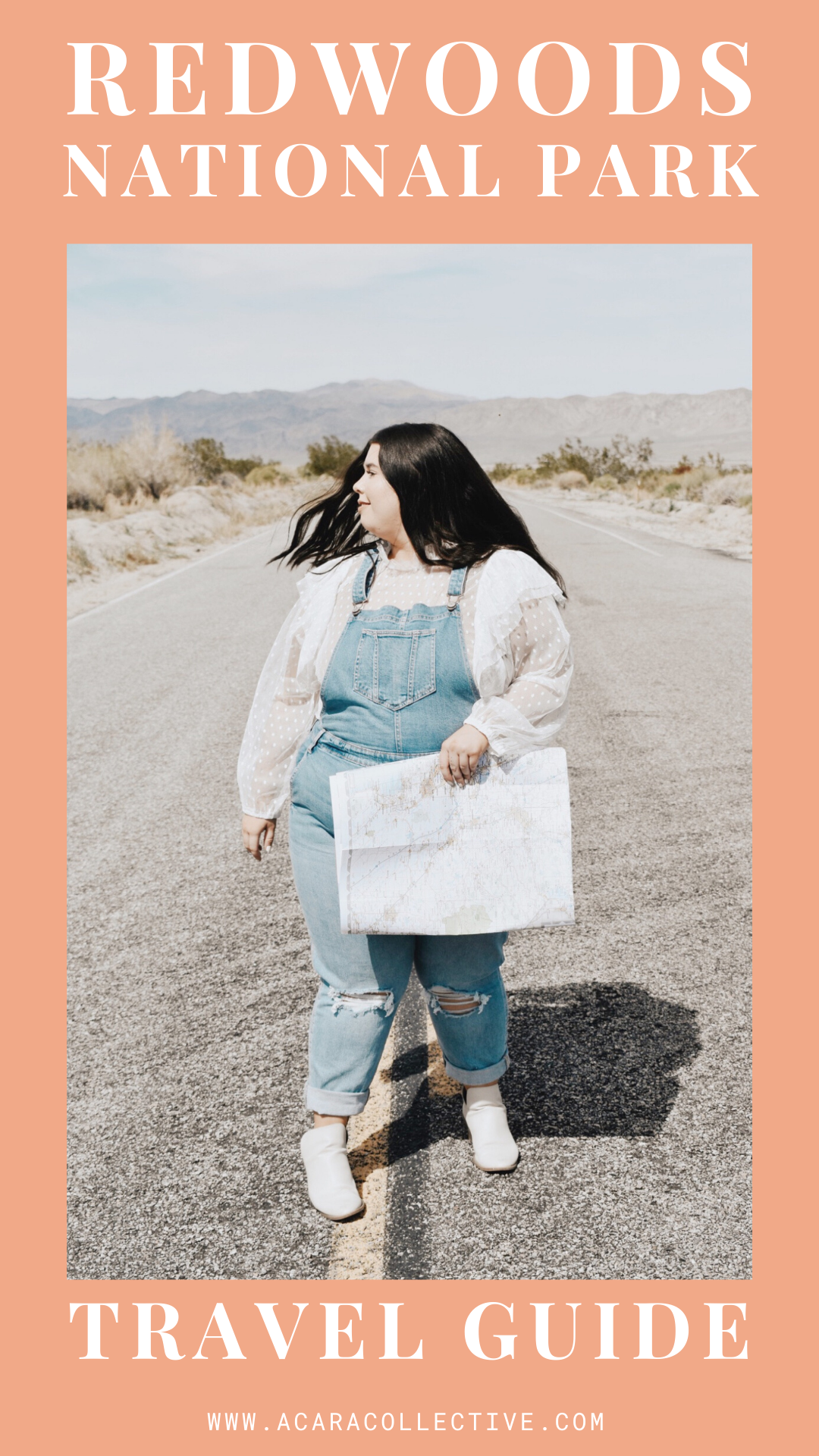
National Park Travel Guide: Redwoods PLUS My Scariest Travel Experience

April 24, 2020 by Cara Lentz in Travel

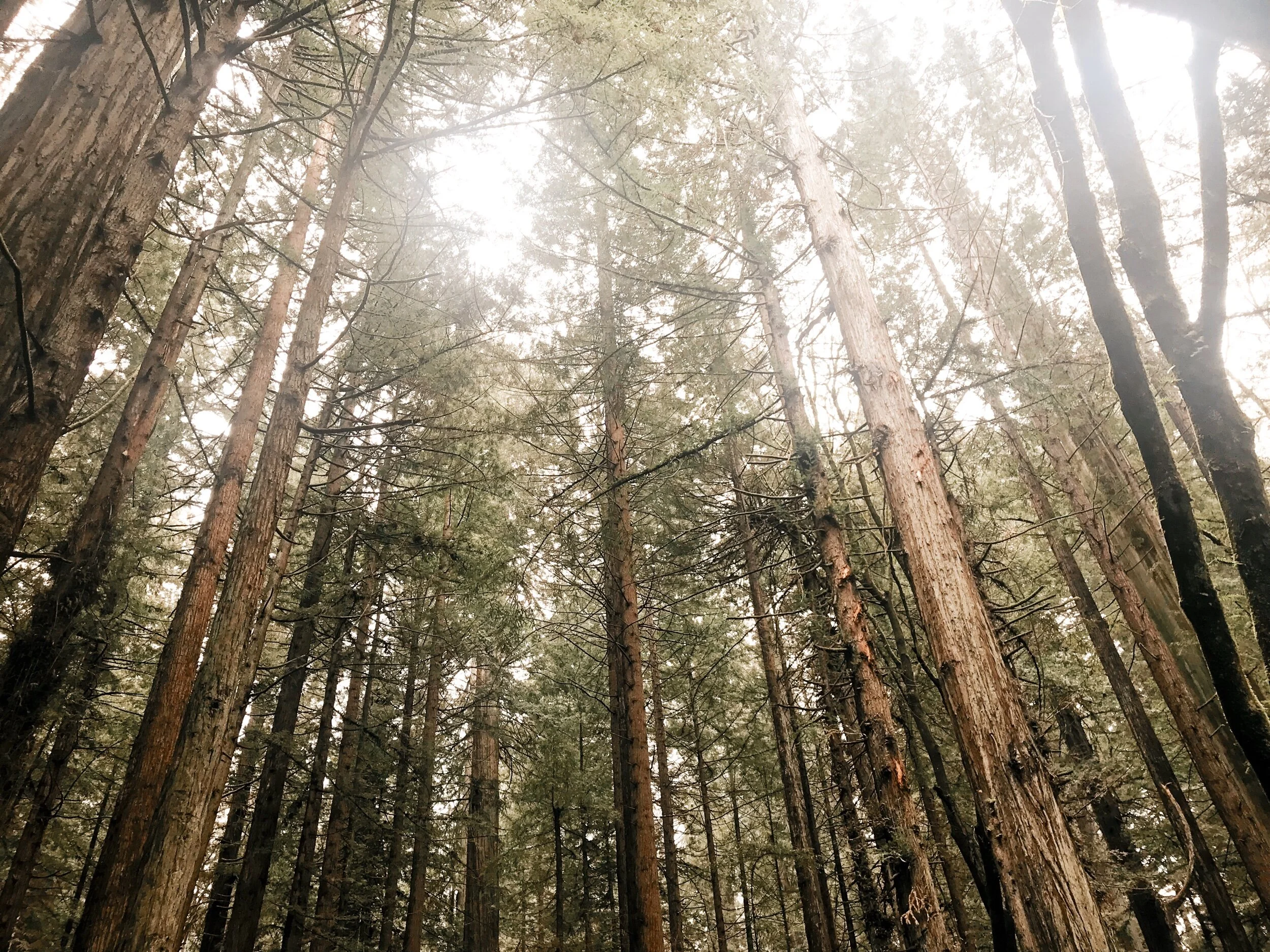
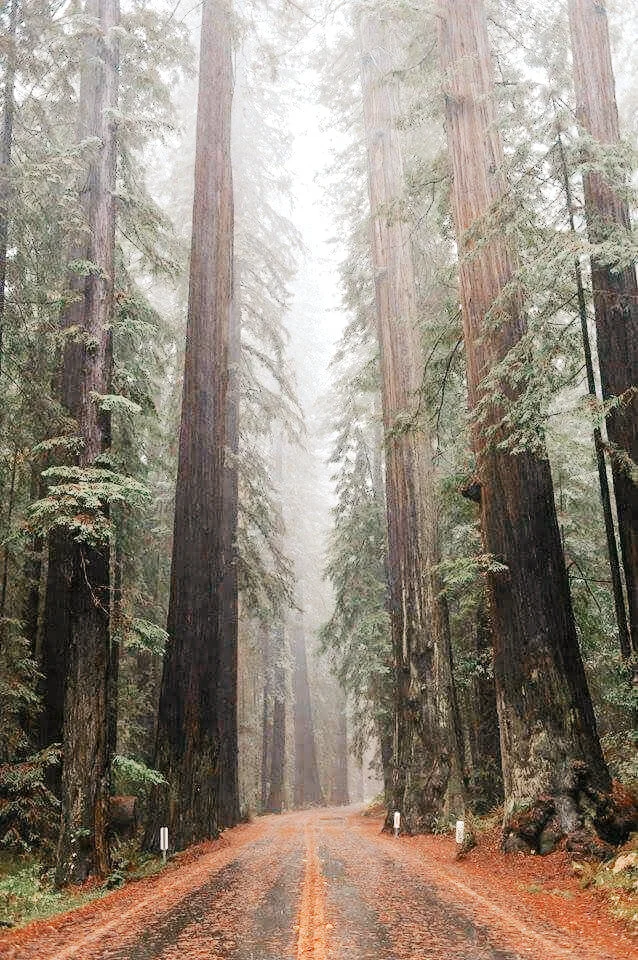
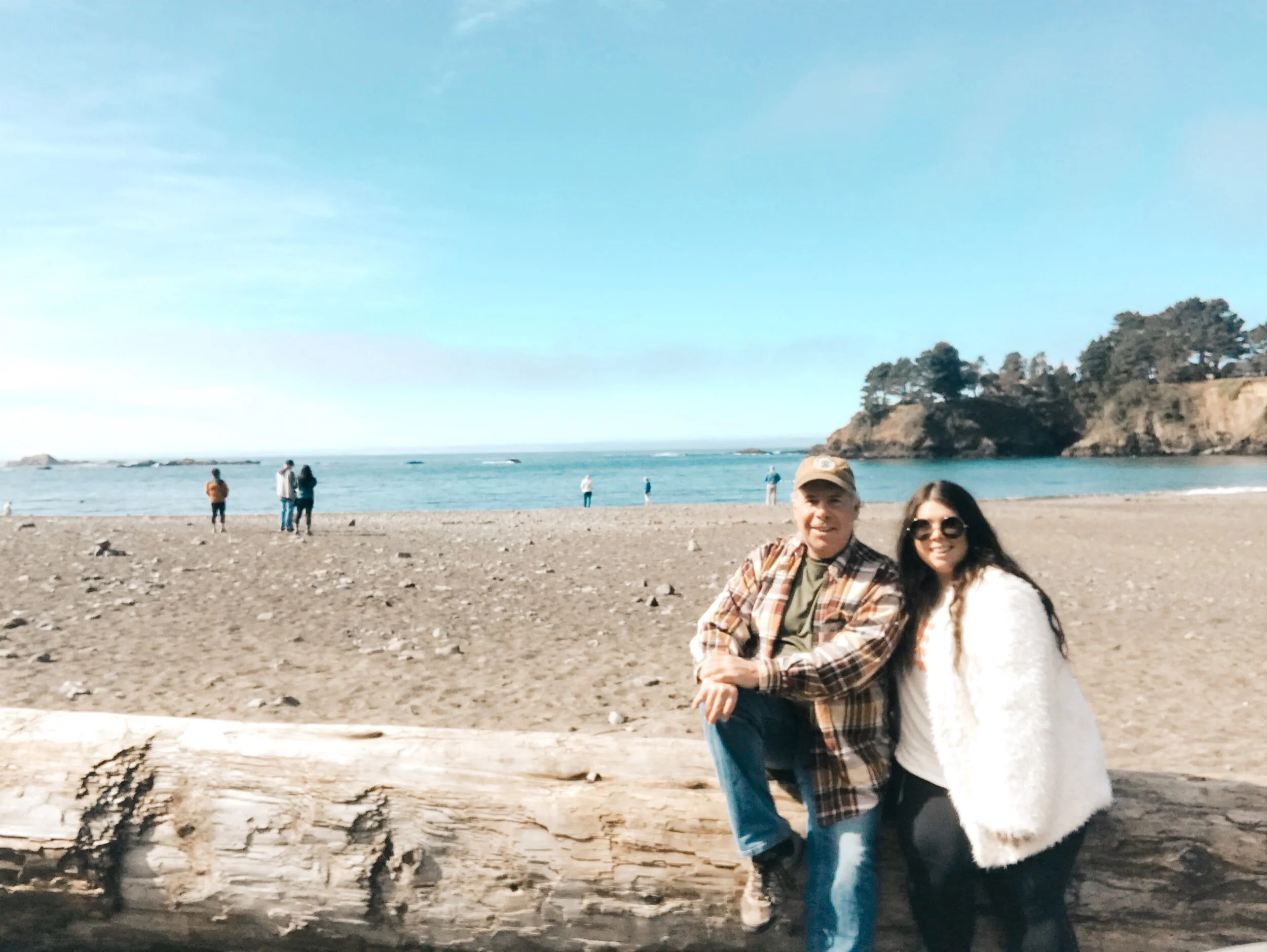
While our time in the Redwoods ended up pretty different than we initially intended, it was still something we loved exploring and would highly recommend - just don’t do what we did and get stuck on the side of a mountain.

NP Basics (ALL) (4).png

Hiking - Whether you’re looking for a short or long trail there are LOADS of amazing options at this expansive park! Here are some favorites:

  • Circle Trail: Starting at Big Tree, this half mile trail takes you through the old growth showing you some of the biggest trees of the park and holy cow these trees are HUGE!

  • Lady Bird Johnston Grove Trail: Another short option, this half mile trail takes you to where Lady Bird Johnston dedicated the Park in 1968!

  • Coastal Trail: While in the woods it can be hard to remember you’re nearly right on the California coast! There are tons of access points allowing for day hikes along the beaches or coastal area. Depending on what area you choose, hikes can be anywhere from 3 to 6 miles in length and generally speaking most are considered difficult. If you want a shorter, easier option on the coast try Crescent Beach!

IMG_5008.jpeg

Scenic Drives - Depending on your interests and when you visit, you might want to check out views from your car. As someone who actually loves driving through parks, here are my favorite scenic by-ways!

  • Newton B Drury Scenic Parkway : 10 miles long and next to the 101 makes it easy to find. On this drive you’ll go to the Big Tree Trailhead and Elk Prairie Visitor Center (don’t forget your stamp!)

  • Bald Hills Road : Located just off the 101 North of Orick

  • Avenue of the Giants : my personal favorite & one I highly recommend, this scenic drive starts off Highway 101 near Myer Flats.

  • Samuel H Boardman State Scenic Corridor

Drive Through a Redwood - throughout the area there a few places that offer this ranging in price of $8 or more depending. Typically there are somethings around to do as well like food or shopping stops. While we personally skipped this time since we short on time after being stuck on the mountain for a while, if/when I go back, I certainly would do this!

IMG_5007.jpeg

Watch the Wildlife - While I can’t remember us seeing too much on our drive, there are tons of wildlife in this park too! From bears to smaller critters, keep an eye out and you might spot something! Be sure to keep a SAFE distance and enjoy from afar!

IMG_5006.jpeg

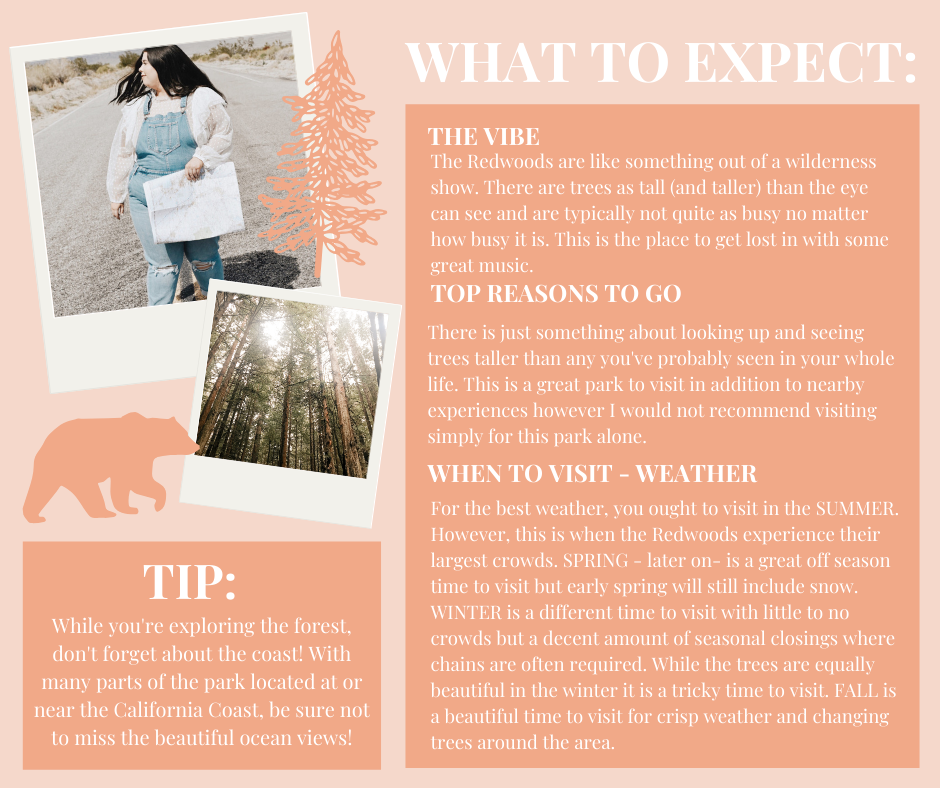
Check out the coast - While you might come up here for the forest, be sure to check out the coast! With many parts of the park actually being on or very near to the California Coast, you’ll miss out if you don’t make a stop on the coastal terrain!

3.png

Beware of the Wildlife - Bears call the Redwood home so be aware if you’re camping to not leave food scraps around and when hiking carry bear spray. If you do see anything be sure to enjoy the view from a safe distance away and DO NOT approach them!

Pack for all the seasons: No matter when you visit, it’s essential to dress in layers and be prepared for all the seasons. Given differing elevations your layers will come in handy!

Use the pull offs! With thousands of people driving through the park regularly traffic is a huge issue. Don’t make it any worse by stopping in the middle of the road to check things out. Use the pullouts, get your long views and enjoy but be courteous to others.

Leave No Trace - You might hear phrases like this throughout the Park & the community who appreciate it but it is a pinnacle of being a steward to our parks. Do your very best to make as little impact as possible on nature by keeping vehicles on paved areas, not disturbing or altering wildlife, cleaning up after yourself (and others), essentially - leave it better than you found it.

If you want smaller crowds, consider visiting in the off-season or even shoulder seasons!

Know your hiking abilities and pick trails accordingly. It is totally ok to not be a professional hiker who can’t take on the difficult hikes. Taking on hikes that are above your abilities will almost certainly end in injury or some other emergency you don’t want ruining your trip. Be safe and pick trails in a smart way. You can always go back if something is too difficult.

Be flexible with weather! The weather in this part of California can change from one extreme to the other quickly- conditions of the roads and trails are always changing due to landslides, fallen tree, etc. Be sure to layer, bring gear for all weather types and be ok with changing plans to stay safe.

RV’s & Trailers are PROHIBITED! While this isn’t true everywhere, it is nearly everywhere. This park is best visited with a regular vehicle if possible. If you are wanting to bring an RV or trailer be sure to do your research and plan ahead prior to visiting.

Pack food BEFORE you go! Here, this is a must given that food options near the park are very, very scarce. Be sure to stop at a store and prep your food before heading out on your adventures!

Pets are discouraged in the Redwoods. On top of this, they aren’t allow on any hiking trails - only permitted areas on developed roads and campgrounds. If you’re planning a trip here, it would be best to leave your fur baby at home or in their favorite doggy hotel!

Tell someone what you’re doing & set up a check in time/date - any time you’re in the outdoors with spotty service be sure to share your plans with someone outside the park. By setting up a time/day check in you can be assured if emergency arises there will be someone to report you missing.

If you see Marijuana Plants… get the hell out of there - alright so this might sound kind of weird, right? While I personally have zero problem with marijuana (in fact I think it should be totally legalized & decriminalized retroactively as well) if you come across these in a NP it’s likely part of an illegal situation. Having actually had this happen to me in the Redwoods I can tell you some of the folks running these ops will not hesitate to harm you to keep what they’re doing secret. As soon as you realize what is going on, get out. Don’t take photos or look around, just leave. Go back exactly how you got in and be as quite as possible. Get to a safe location as far away as possible and if you would like, notify the Park Dispatch with your exact location (coordinates or physical description).

Have an emergency? Call 911. While your cell might not work in the park, there are pay phones and emergency phones located throughout the park as needed and any will dial 911.

Where is the Redwoods National Park Passport Stamp Station? You can find the main stamp at the Hiouchi Visitor Center with others in Crescent City, Orick and Prairie Creek.

2.png

View this post on Instagram

I’ve got a lot of stories from my travels but this one takes the cake for the scariest! It’s a long one but I’m sharing about that one (and hopefully only) time my dad & I got stranded on the side of a mountain 😳

A post shared by Cara Lentz ✨ (@acaracollective) on Apr 24, 2020 at 2:39pm PDT

April 24, 2020 /Cara Lentz
National Parks, travel, Travel, California
Travel
Comment
National Parks Passport Program.png

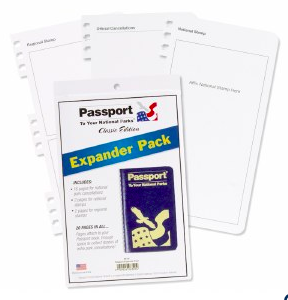
National Parks Passport Program - Where to Purchase

April 23, 2020 by Cara Lentz in Travel

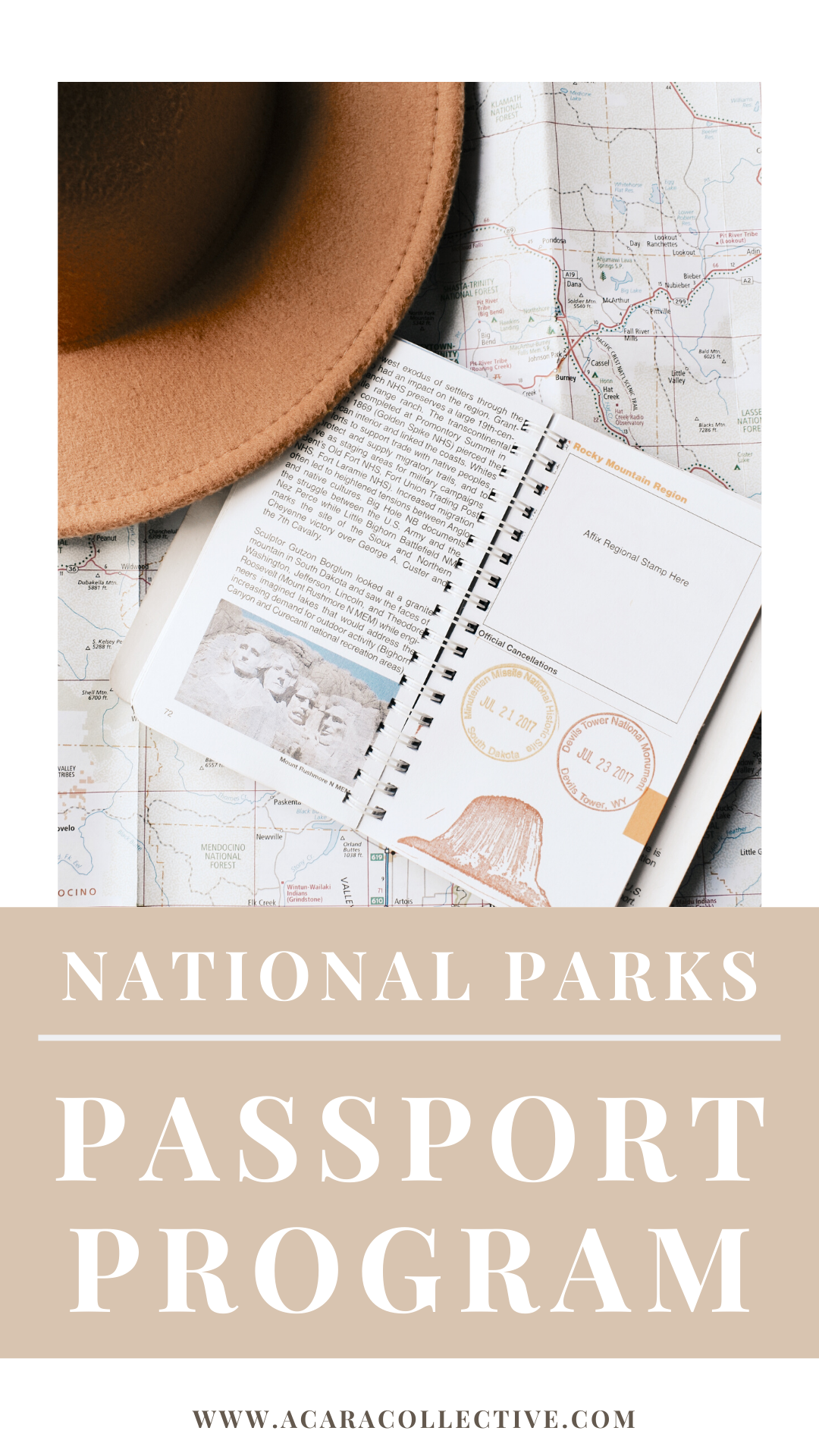
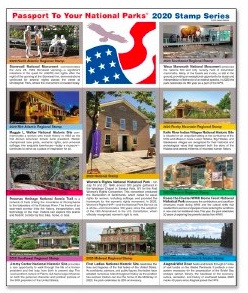
If you’re interested in getting started with your own National Parks Passport - YAY! It is one of my favorite things to collect when I visit new parks and it always ensures I have pieces of my travels with me later on! I’ve linked everything you need here to purchase online, but, you can usually purchase in any of the visitor centers or book stores throughout any given park as well!

Screen Shot 2020-04-23 at 11.36.13 AM.png
Screen Shot 2020-04-23 at 11.36.05 AM.png
Screen Shot 2020-04-23 at 11.56.55 AM.png
Go to the Passport Program Store
April 23, 2020 /Cara Lentz
National Park, National Parks
Travel
Comment
Copy of April Pins (2).png

National Park Travel Guide: Yellowstone

April 23, 2020 by Cara Lentz in Travel

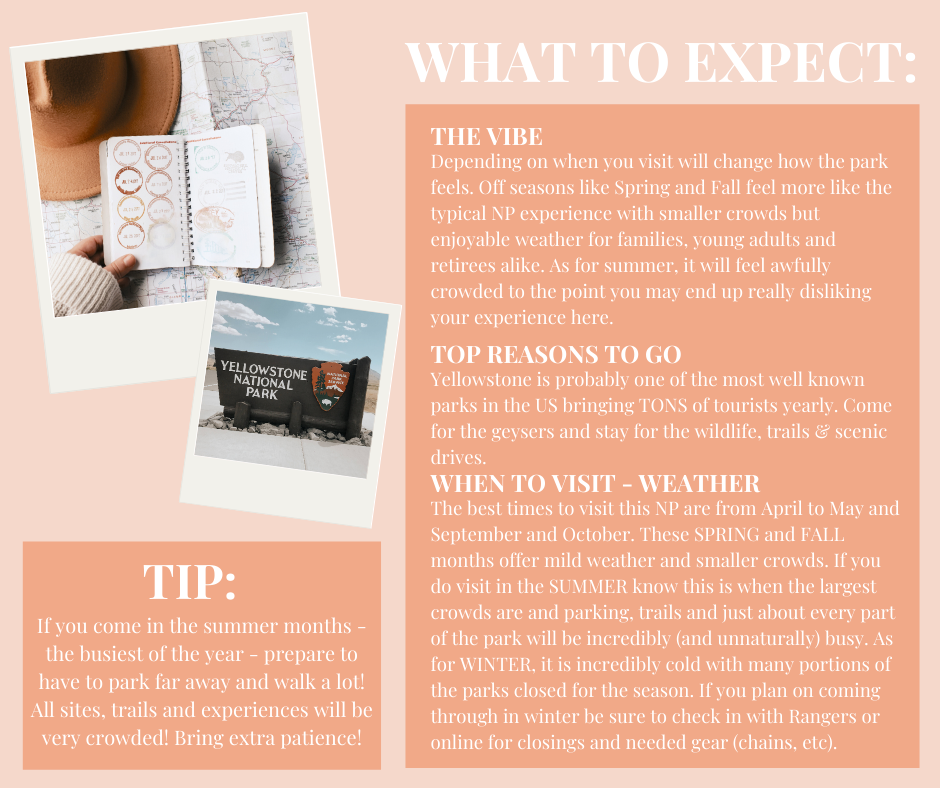
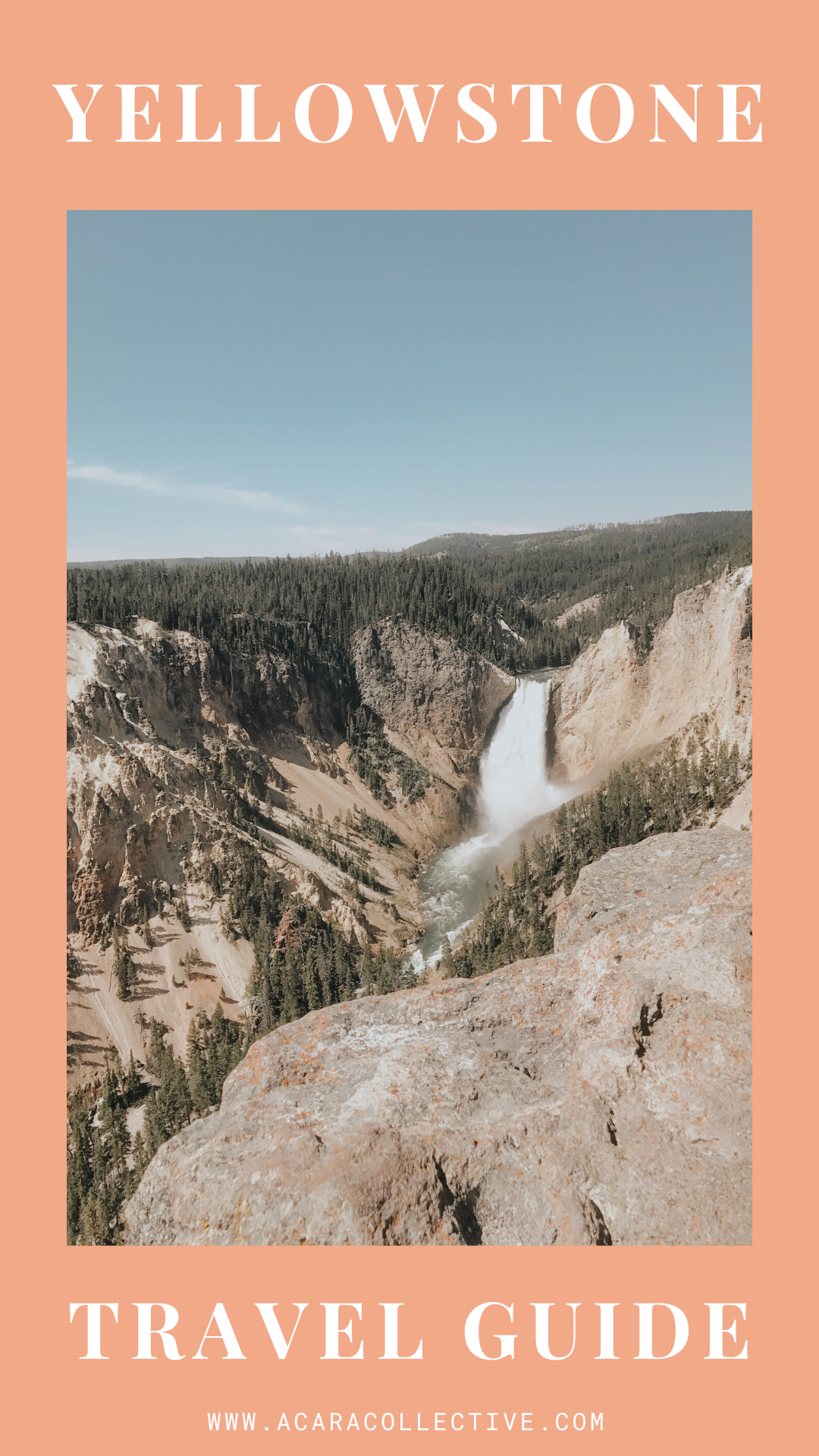
While I’ve only been to Yellowstone once, I can’t wait to get back and spend a lot of time there! It truly is a beautiful park with SO much to see, do and learn about!

See the Wildlife: Yellowstone is one of, if not THE best Park for viewing wildlife. With bears, bison, elk, wolves and tons of other creatures you’re likely to see at least a few! That being said, be sure to keep your distance and do NOT approach them. They are WILD animals and will always react accordingly.

Boiling River: Since this river merges with a colder one, you get the perfect temperature for what feels like a hot tub. Whether you want to swim for a while or just dip your feet it, it’s something you can’t miss! Getting parking near here can be pretty tricky so try parking farther away and walk there.

IMG_4803.jpg

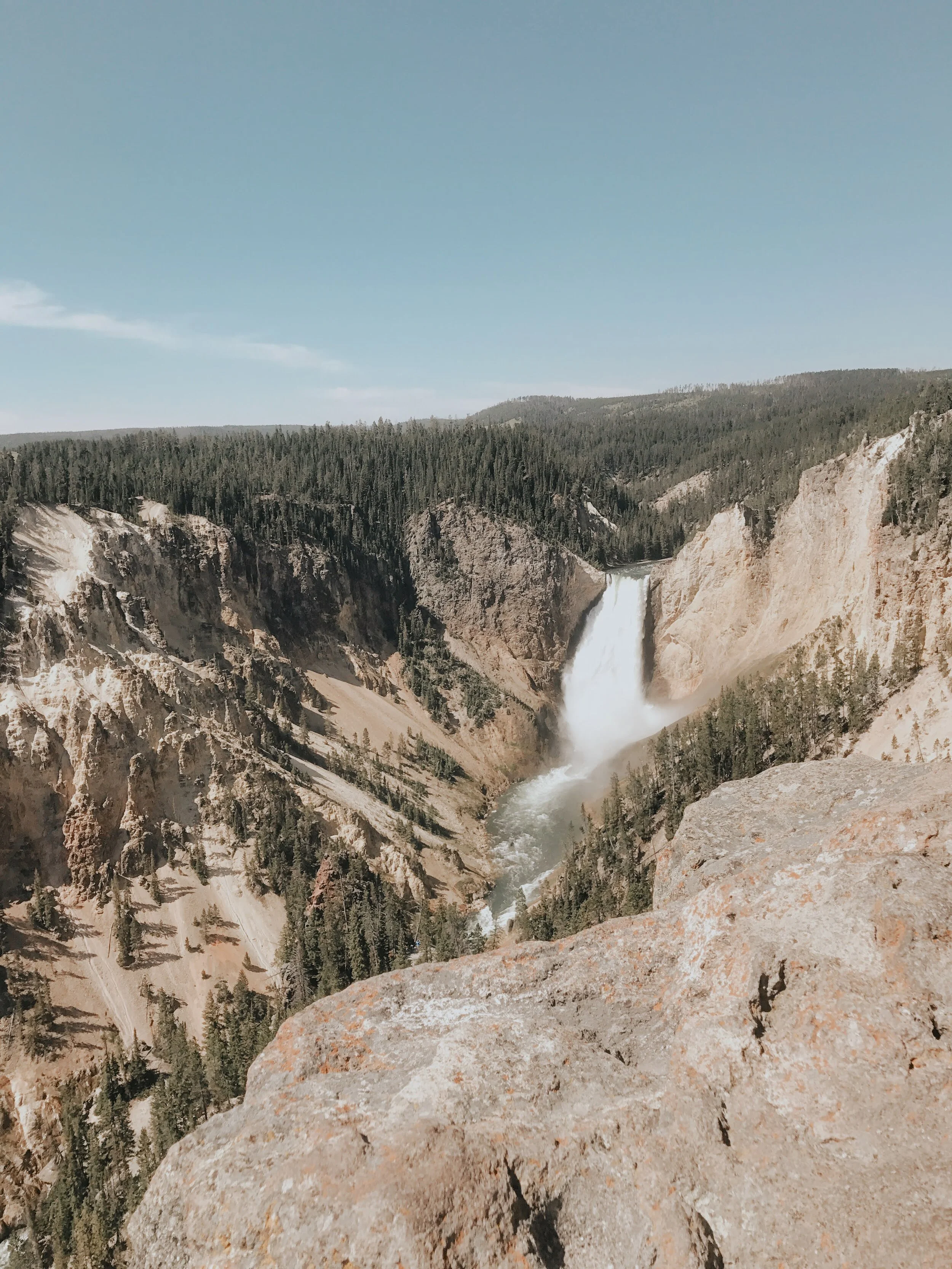
Uncle Toms Trail: While I personally haven’t done this trail yet, it’s on my list for the next time I visit! This trail gives amazing views of the Lower Falls. With 350 stairs, 500 foot vertical descent it is not for the faint of heart.

Old Faithful: This geyser is named Old Faithful given how often it erupts - every 45 to 125 minutes. Located near the West Entrance it truly is something worth seeing. Stand around the perimeter, sit on the ground or even hang out near the buildings and you’ll be able to see it.

IMG_4802.jpg

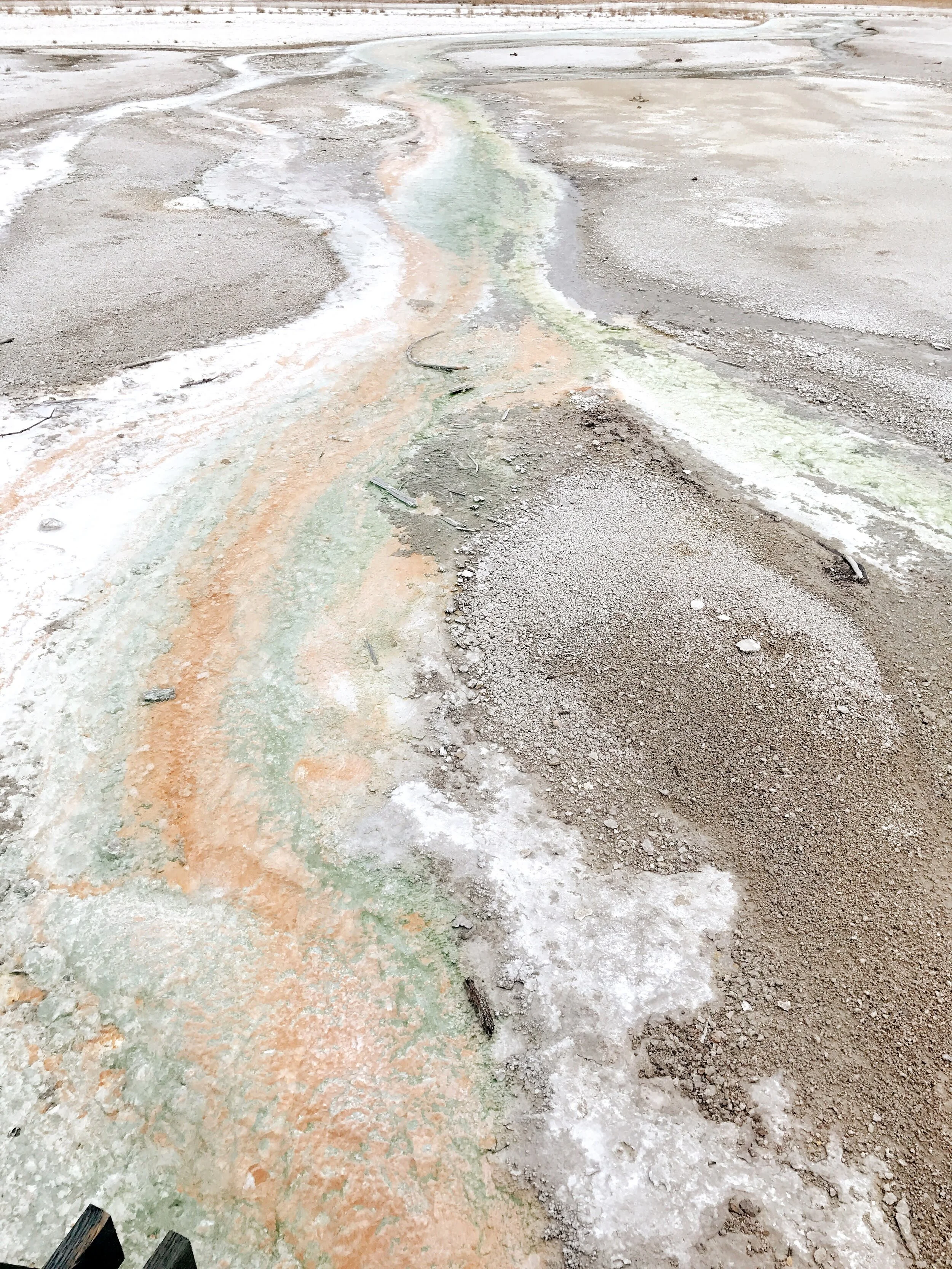
The Grand Prismatic Spring: Filled with absolutely beautiful & colorful springs you must see these! The bright colors are from thermophilic bacteria found in the hot springs. Be sure to stay on the trails and don’t wander off! Also - be prepared for the stink, its something I wasn’t prepared for and wish I would have know.

Yellowstone Grand Canyon: One of the most popular places to hike and just site see in general. With waterfalls and rushing river. Your best views will be found from Lookout Point or Red Rock Point.

IMG_4801.jpg

Hayden Valley: Check out the area for amazing views of the wildlife and some awesome trails like Hayden Valley Trail or the Mary Mountain Trail.

Grizzly and Wolf Discovery Centre: Located in West Yellowstone, this preserve offers a great, safe alternative to finding these animals in the park wildly. With loads of information in the building, the animals are located outside with a lot of educational presentations and histories on the animals. To be clear, this is NOT a petting zoo - the bears in this preserve are here as an alternative to being euthanized.

IMG_4804.jpg

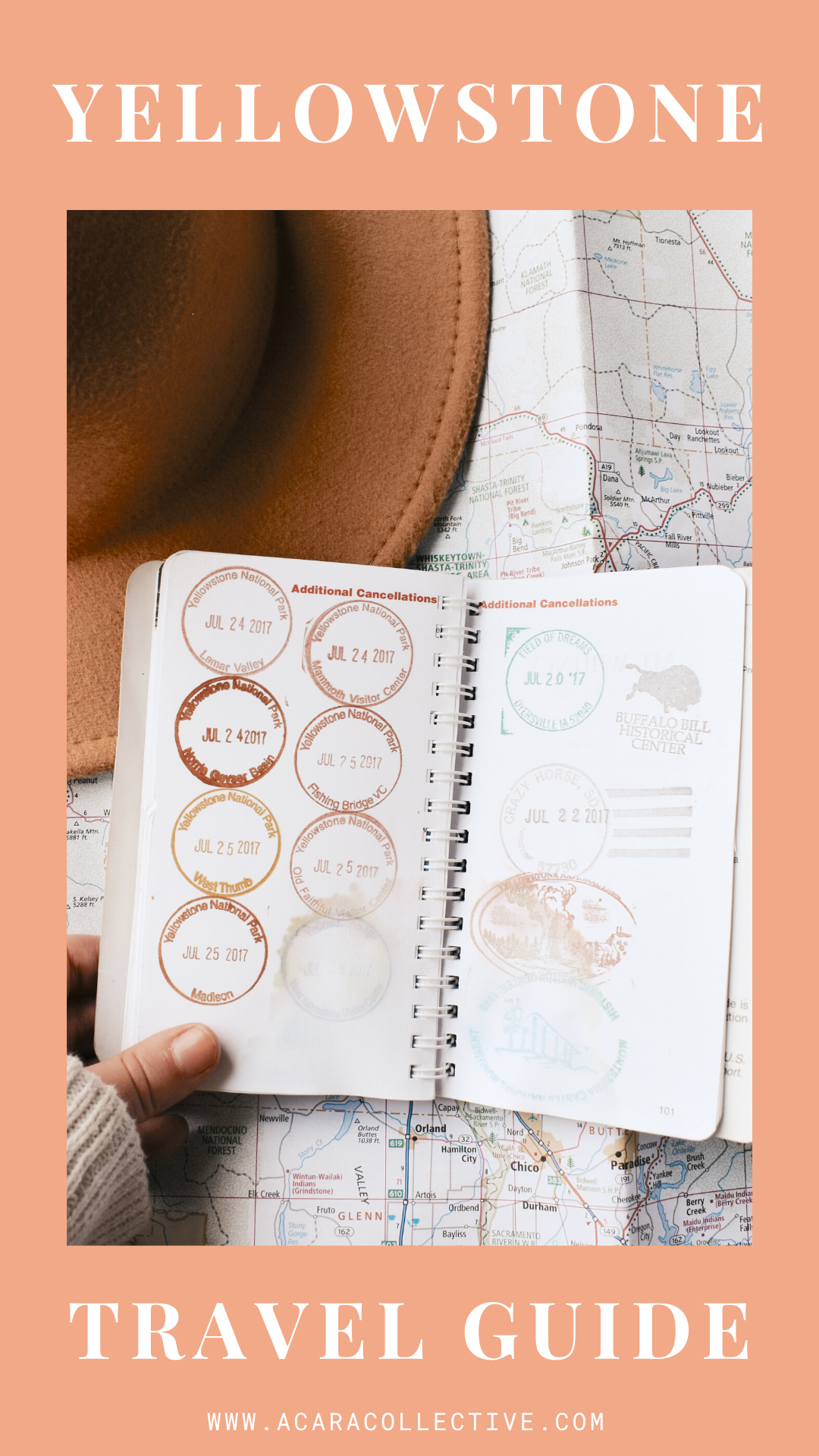
Get your Passport Stamps: Don’t forget to find your stamps at the following locations!

  • Albright Visitor Center, Mammoth Hot Springs

  • Canyon Visitor Education Center

  • Fishing Bridge Visitor Center

  • Grant Visitor Center

  • Madison Information Station Bookstore

  • Museum of the National Park Ranger

  • Norris Information Station Bookstore

  • Old Faithful Visitor Center

  • Snake River Ranger Station / South Entrance Station

  • Tower Ranger Station

  • West Thumb Information Station Bookstore

  • West Yellowstone, MT, Interagency Visitor Center (outside of the park)

  • Yellowstone Association Bookstore, North Entrance, Gardiner, MT (outside of the park)

  • Yellowstone Association Bookstore, North Entrance, Gardiner, MT (outside of the park)

3.png

If you want to stay in the park, book ASAP: Yellowstone is one of best parks to stay in, from campgrounds to incredibly luxurious hotels - all options fill up very quickly! If you aren’t set on what dates you’re going, consider seeing what stays are available, booking and then planning your dates based on that!

If you’re already in Yellowstone, consider checking out nearby attractions: Grand Teton National Park isn’t too, too far (about an hour South) and is an equally incredible site.

Let Nature Happen : At the end of the day, the park is a preserve. That means nature will happen how nature chooses it to and sometimes it can be a bit more upsetting than cute. Let things run their natural course. If you are concerned for an animals well being, feel free to alert a Ranger. Do not ever feed any animals in the park, even if you see others doing it. Do not put them in your vehicle, even if it is to offer what you think is assistance.

Pack for all the seasons: No matter when you visit, it’s essential to dress in layers and be prepared for all the seasons. Given differing elevations your layers will come in handy!

Stick to the boardwalks and paths! Like most parks, Yellowstone has extensive trails and walkways - please use them! They serve many important functions. One- they keep you safe. If you’re visiting the geysers and hot springs, walking without the boardwalks would almost ensure you’d be boiled to death. It sounds out there but 20+ visitors have made the mistake of walking off them and died. Two - they preserve nature as best as possible. With nearly 4 million visitors each year, without the boardwalks and paths plant life would be decimated. Keep nature wild and stay on the paths.

Use the pull offs! With thousands of people driving through the park regularly traffic is a huge issue. Don’t make it any worse by stopping in the middle of the road to check things out. Use the pullouts, get your long views and enjoy but be courteous to others.

Tell someone what you’re doing & set up a check in time/date - any time you’re in the outdoors with spotty service be sure to share your plans with someone outside the park. By setting up a time/day check in you can be assured if emergency arises there will be someone to report you missing.

Leave No Trace - You might hear phrases like this throughout the Park & the community who appreciate it but it is a pinnacle of being a steward to our parks. Do your very best to make as little impact as possible on nature by keeping vehicles on paved areas, not disturbing or altering wildlife, cleaning up after yourself (and others), essentially - leave it better than you found it.

If you’re planning on visiting multiple parks, purchase a parks pass! Also known as the America the Beautiful pass, the parks pass works at all National Parks & Forrests for admittance (usually anywhere from $10 - $25+) and quickly pays for its self. The America the Beautiful pass is $80 for the year so if you plan on visiting more than 2 - 4 parks in the year it is a wonderful investment with access to over 2,000 destinations. Plus, there are discounts for seniors, military and those needing ADA accommodations with varying prices or discounts.

Don’t plan on getting anywhere fast: Whether it’s from bison or bear jams or the 45 mile speed limit, you should plan for leisurely drives so don’t pack to much on your to-do list without taking traffic of all kinds into account.

Check Your Entrance & Plan Accordingly : Unlike other parks, Yellowstone is located in multiple states! Because of this, there are a lot of different entrances including:

  • North Entrance – Gardiner, Montana

  • Northeast Entrance – Cooke City, Montana

  • South Entrance – Jackson, Wyoming

  • East Entrance – Cody, Wyoming

  • West Entrance – West Yellowstone, Montana

Copy of April Pins (3).png
April 23, 2020 /Cara Lentz
National Parks, travel, Travel, Wyoming
Travel
Comment
6_Original.png

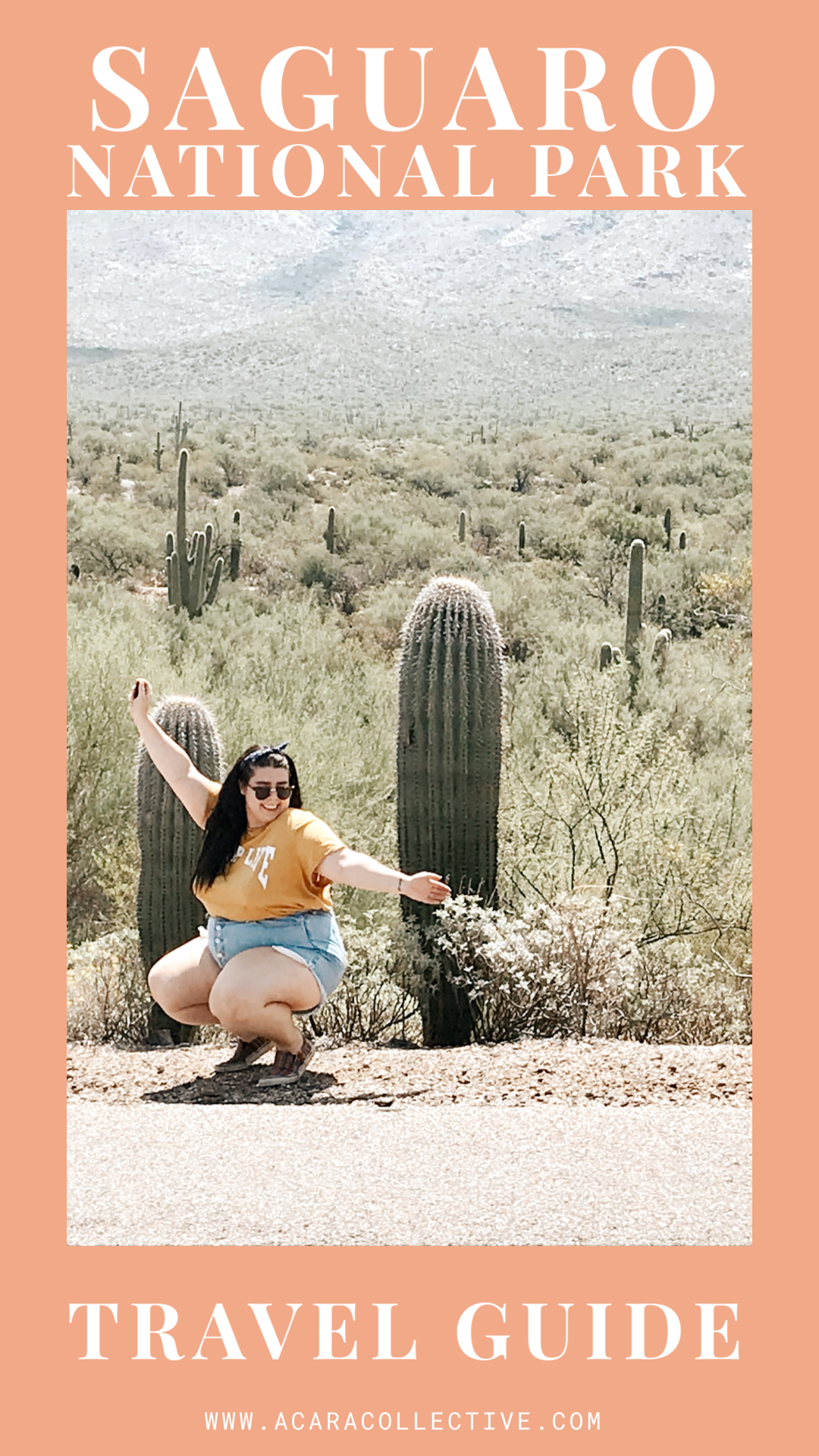
National Park Travel Guide: Saguaro

April 22, 2020 by Cara Lentz in Travel

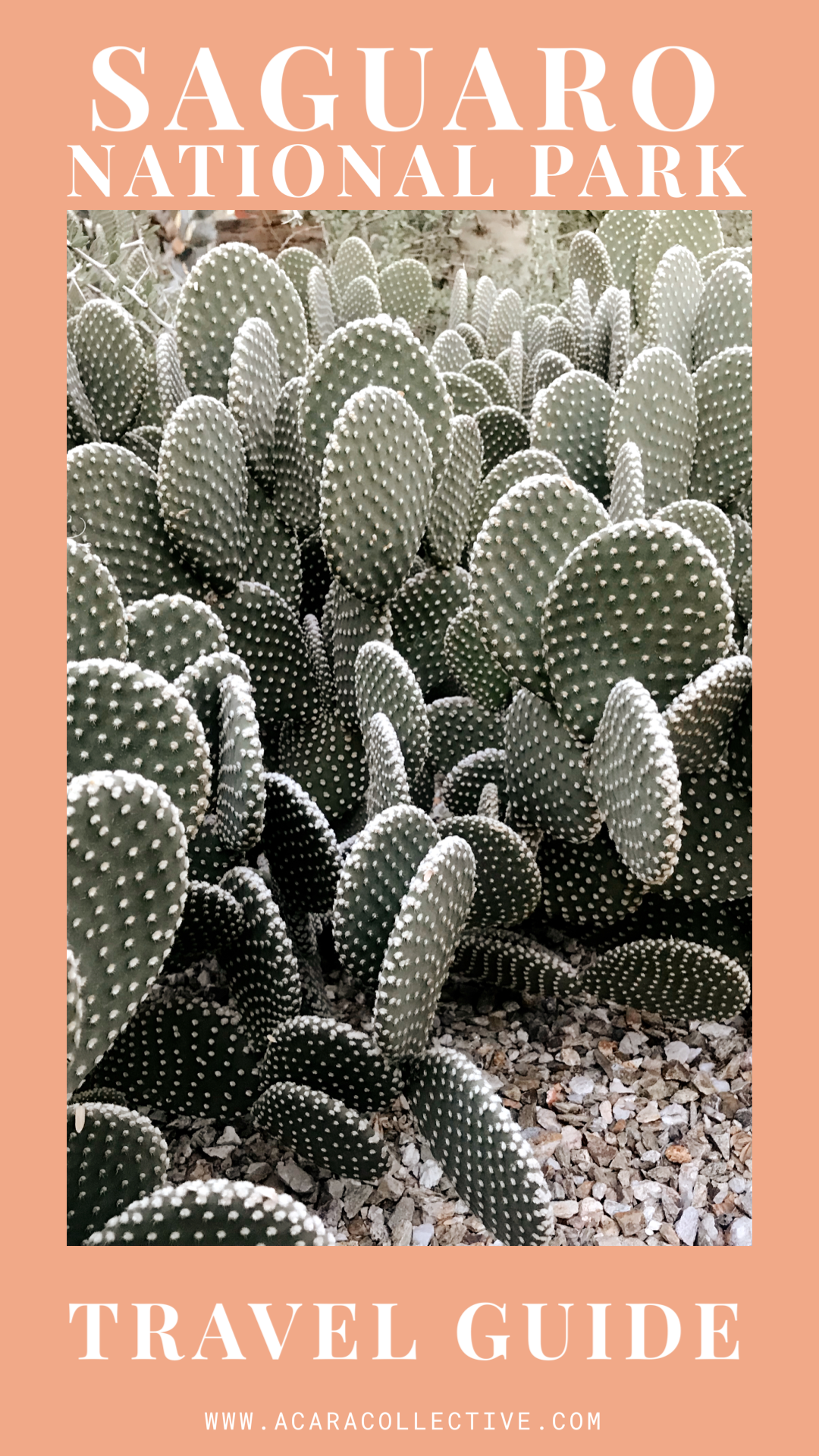
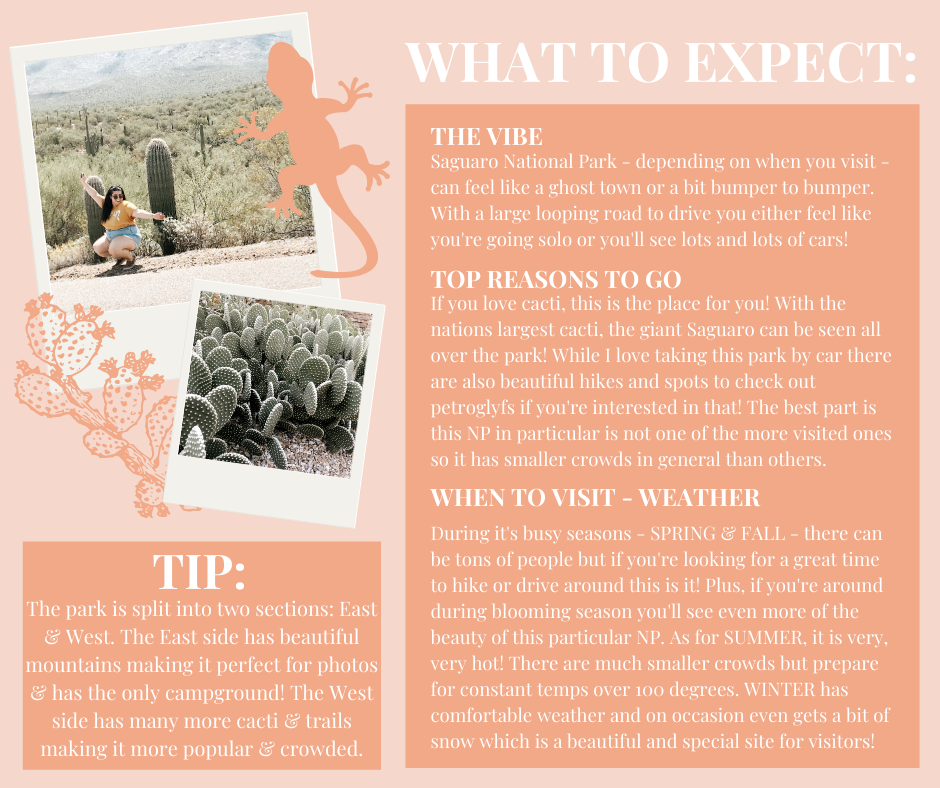
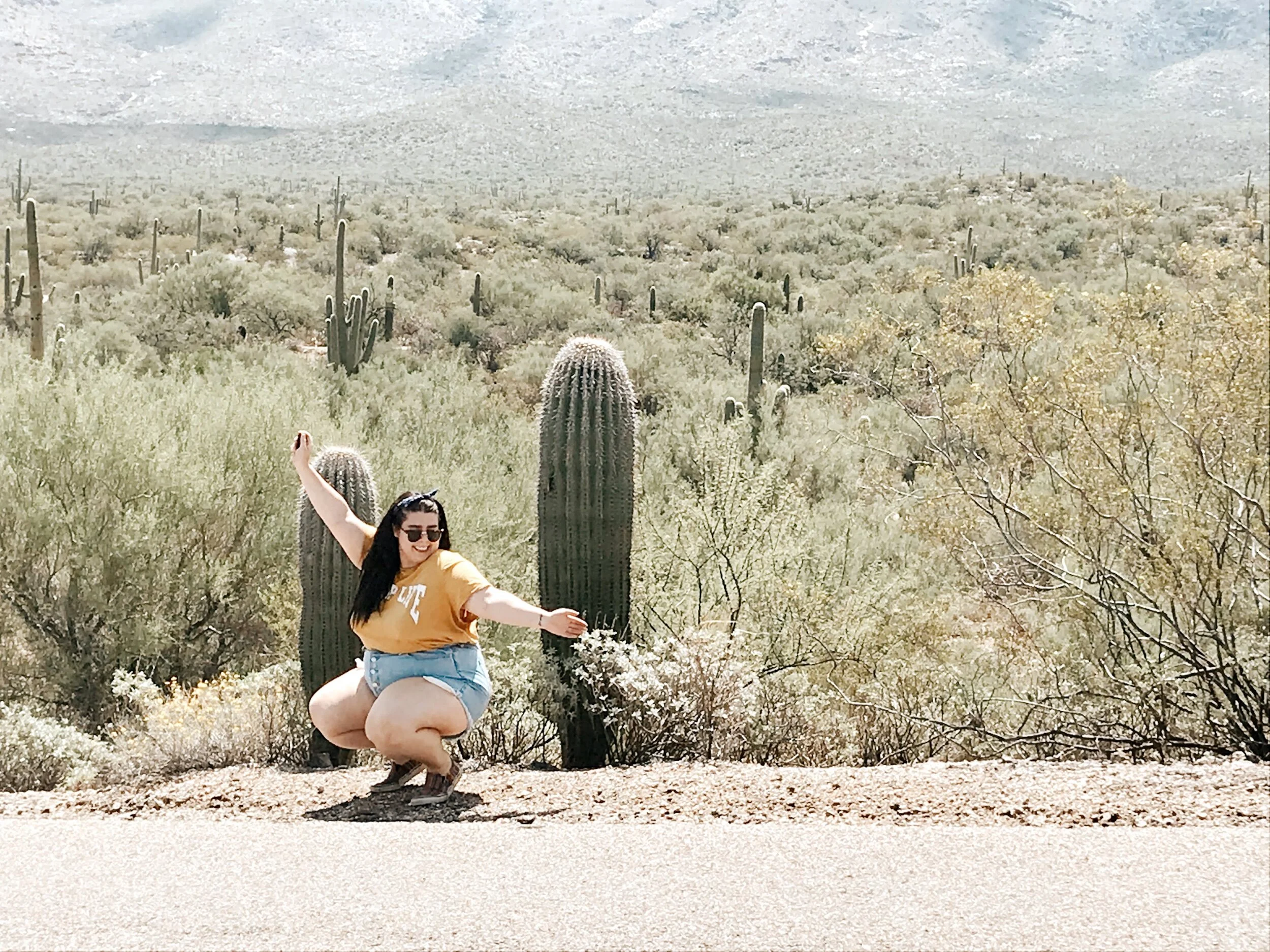
While I can’t imagine many people randomly find themselves in Tucson given there isn’t much outside of the University (No Pity for the Kitty!!!) if you do find yourself down there, I recommend checking out Saguaro - pronounced Suh-WAH-row - National Park! If you’re just wanting a look around this is a great park for that- either from your car or on the trails, just be sure to drink lots and lots of water!

NP Basics (ALL) (2).png
1.png

The Bajada Loop Drive: To ensure you can make this loop an actual loop be sure to to the drive counter clockwise starting by turning right from N Kinney Road onto Hohokam Road. When Hohokam ends at Golden Gate Road, turn left on to Golden Gate and continue it until the scenic loop ends at N Sandario Road. TIP: flash flooding in the area make parts of this road impassable even in a typically capable outdoor vehicle. If it has rained double check conditions and closures with ranger before getting on the loop.

Valley View Overlook Trail: This short, easy trail allows you to get up close with Saguaro cacti safely! This is a super easy walk and it you love plants this is your dream! It’s a pretty flat walk so it’s great for all ages.

Horseback Riding : While I personally haven’t done this I’ve heard great things about it! There are several groups that offer this locally so be sure to do your research and go with someone who really treats the animals right!

Adjustments.jpeg

Signal Hill Petroglyphs : This super short trail will take you to a sweet little viewpoint with petroglyphs that are over 800 years old along the way!

Cactus Forest Drive : This is a drive-able 8-mile loop might be one way only but has amazing viewpoints on quite a few pull outs through out the drive.

Backpacking : There are a few different trailheads that can get you deep into the wilderness with full or multiple day hikes. There is camping available in a handful of approved spots but be sure you have ALL the supplies you need - especially water - with you when you head out!

Night Walks : Rangers in the park lead special night walks where you explore the park at night with some beautiful star gazing included!

Photography : whether you’re a pro or just doing it for fun sunrise and golden hour are the best times to pull the camera out! These are the times you’ll really be able to take in everything the desert has to offer!

If you’re planning on visiting multiple parks, purchase a parks pass! Also known as the American the Beautiful pass, the parks pass works at all National Parks & Forrests for admittance (usually anywhere from $10 - $25+) and quickly pays for its self. The America the Beautiful pass is $80 for the year so if you plan on visiting more than 2 - 4 parks in the year it is a wonderful investment with access to over 2,000 destinations. Plus, there are discounts for seniors, military and those needing ADA accommodations with varying prices or discounts.

Where is the Saguaro National Park Passport Stamp Station? Either of the Visitor Centers - East or West - have stamp stations available!

Pack Sunscreen & Layers : With unpredictable weather and very little vegetation offering shade doing both of these will save you sun burn, chills and more. Prepare for all the seasons when visiting here!

Leave No Trace - You might hear phrases like this throughout the Park & the community who appreciate it but it is a pinnacle of being a steward to our parks. Do your very best to make as little impact as possible on nature by keeping vehicles on paved areas, not disturbing or altering wildlife, cleaning up after yourself (and others), essentially - leave it better than you found it.

Be prepared for sand - like many desert parks there will be sand just about everywhere. Be sure to prep for this getting in your car. If you’re like me and sand drives you crazy consider changing shoes between the outdoors and your car.

Get extras - especially water - In the park there are not a ton of options for purchasing water or foods so be sure to do that before you get in the park! Be sure especially to have lots and lots of water - at least a gallon for each day you will be there.

DRINK WATER - at least one gallon of water per day is essential to replace what you will lose in sweat. The more active you are, the more you should drink.

Travel Prepared - if you plan on taking a hike or driving through the park be sure to stay on paved roads and carry extras like water, food and so on in case your car breaks down or some other emergency.

Be mindful - if at any time you feel dizzy, nauseous or develop a headache, get out of the sun and drink water and/or drinks with electrolytes. Do your best to lower your body temperature by dampening clothing. Heat stroke can be common, but it doesn’t have to be by being aware of your body. Be on the look out for other exhibiting these symptoms as well.

Be aware of flash floods - when it’s raining or has recently rained be sure to avoid canyons and when needed move to higher grounds. Be sure to check for signage where you’re driving as well to be alert for changing roads due to closures.

Tell someone what you’re doing & set up a check in time/date - any time you’re in the outdoors with spotty service be sure to share your plans with someone outside the park. By setting up a time/day check in you can be assured if emergency arises there will be someone to report you missing.

5_Original.png
April 22, 2020 /Cara Lentz
Arizona, travel, Travel, National Parks
Travel
Comment
Copy of Cookie Recipe.png

Tip Tuesday: Ask Me Anything National Parks Edition

April 21, 2020 by Cara Lentz in Travel
View this post on Instagram

On today's AMA I'm answering all your questions on the National Parks plus sharing some insight on the NPS Passport Program! Below I've shared where you can find answers exactly throughout the video! 00:16 - The best time to visit the Parks (WY/MT Area) 🌲 1:07 - Animals I've seen in the Parks 🌲 1:46 - An animal PSA 🌲 2:14 - Camping, Hotel or Airbnb 🌲 3:45 - What is cell service like 🌲 4:47 - What should you wear 🌲 5:40 - What you should pack 🌲 6:32 - My favorite park 🌲 7:02 - My least favorite park/site 🌲 7:25 - The tea on Mt. Rushmore 🌲 8:17 - What to do instead of Mt. Rushmore 🌲 9:39 - Is buying the Annual Pass worth it? 🌲 10:47 - Passport Program Intro 🌲 10:58 - My Passport/ What's inside 🌲 12:33 - How the Passport Program works 🌲 13:17 - Stamp Examples 🌲 14:00 Wrap Up 🌲

A post shared by Cara Lentz ✨ (@acaracollective) on Apr 21, 2020 at 9:52pm PDT

April 21, 2020 /Cara Lentz
National Park, National Parks, Travel Tips, Travel Resources, Tips
Travel
Comment
3.png

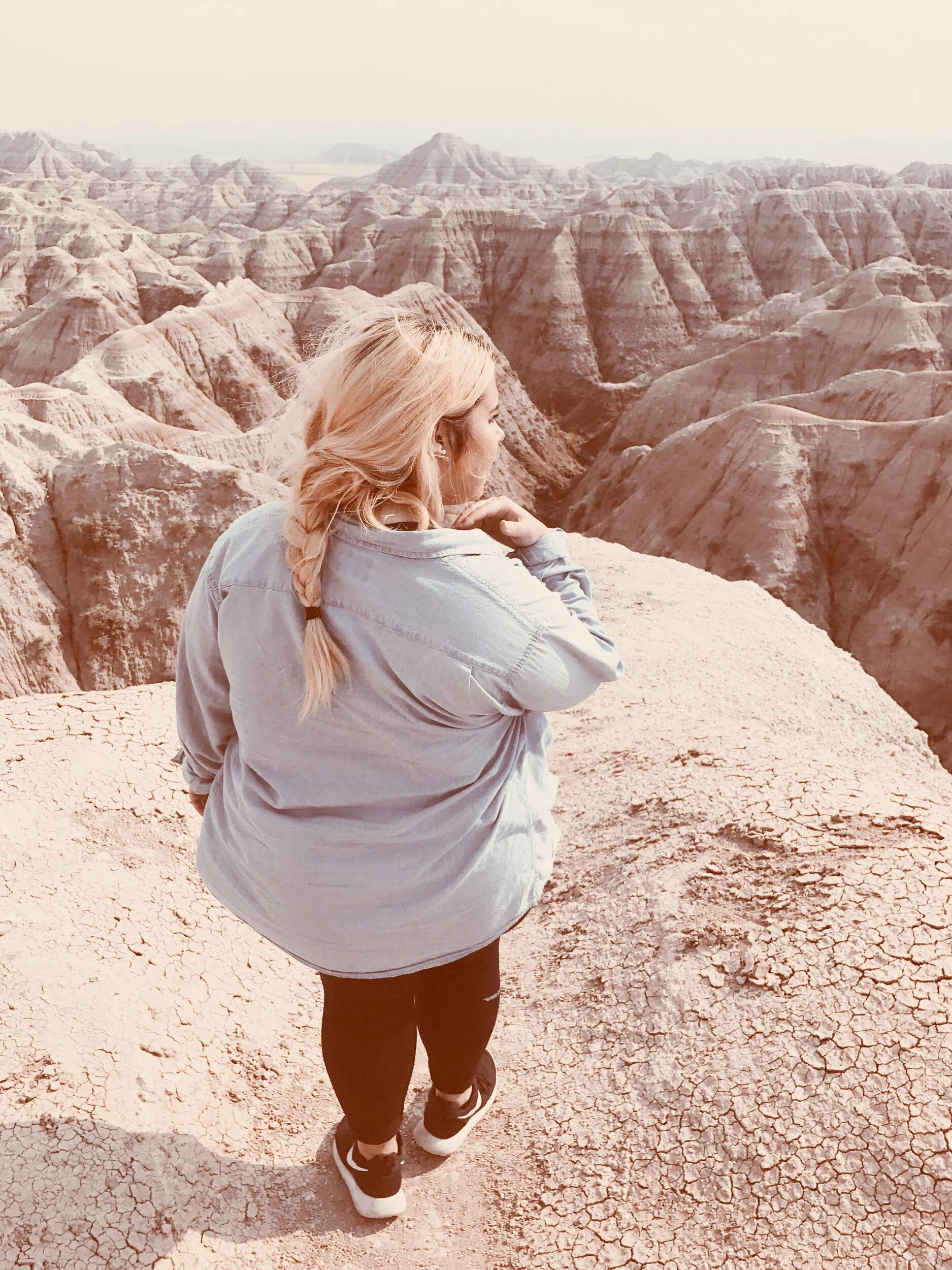
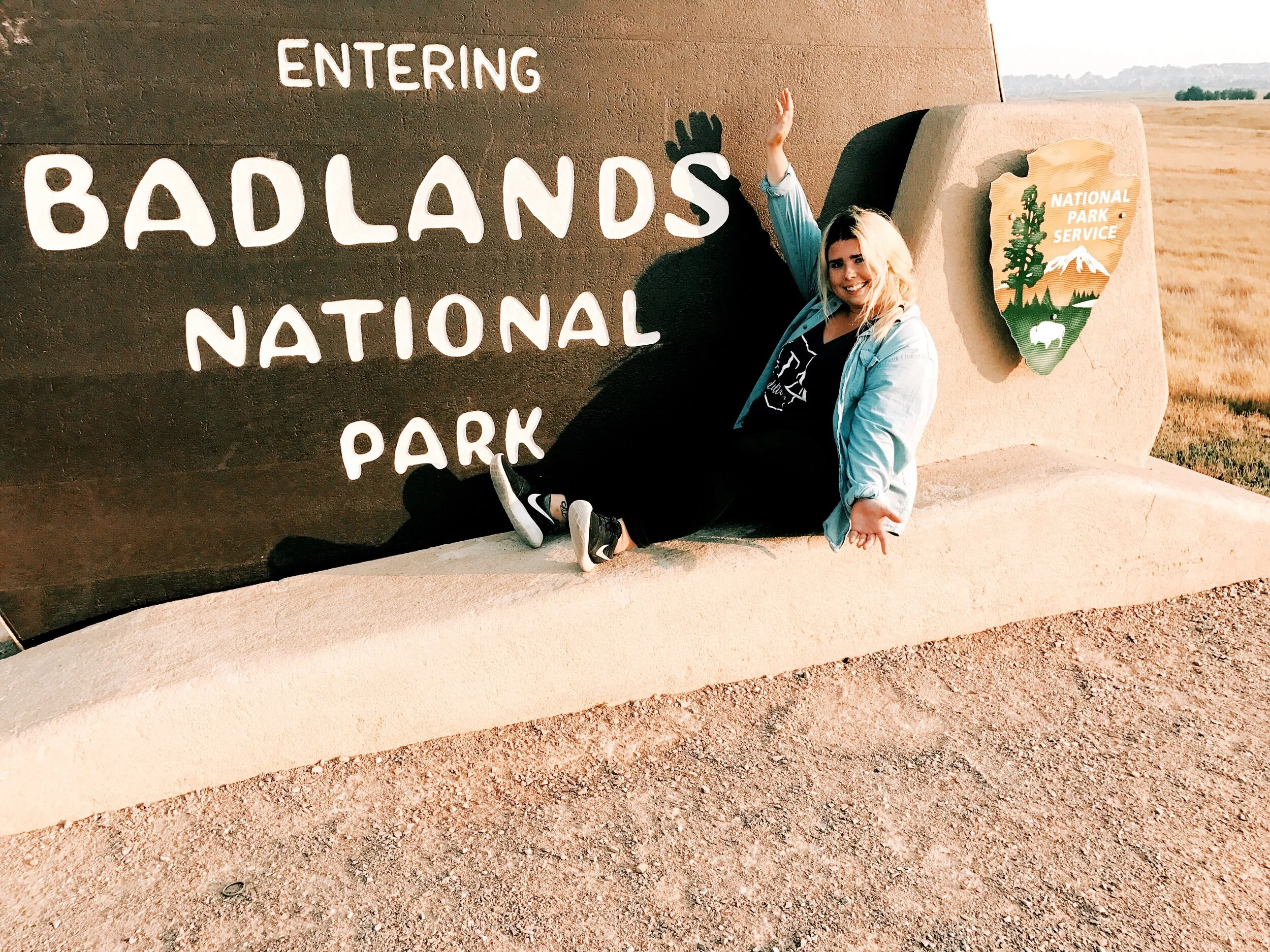
National Park Travel Guide: Badlands

April 21, 2020 by Cara Lentz in Travel

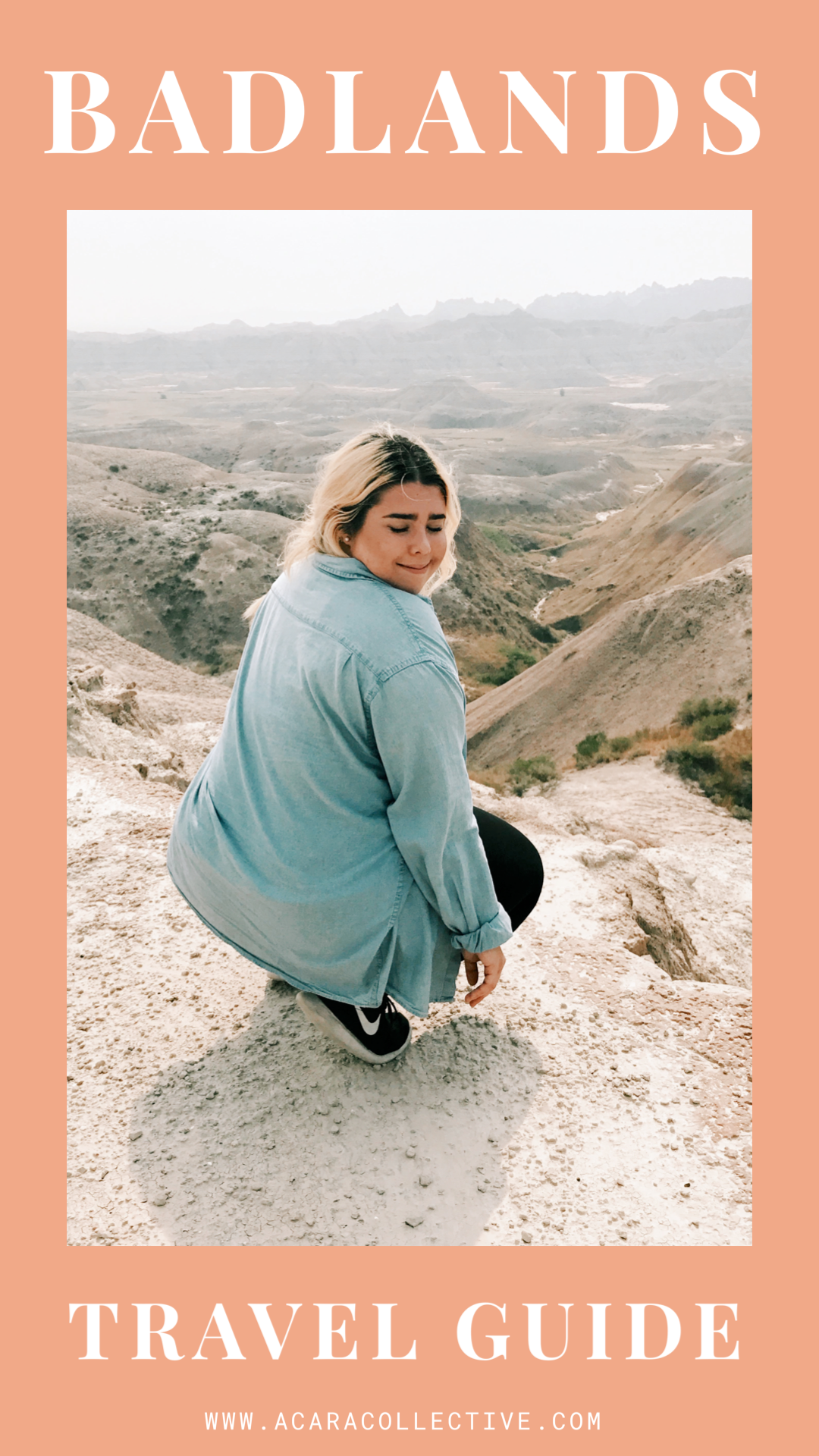
Badlands National Park is the very first National Park I visited - Indiana’s Dunes aren’t ~technically~ a park - and ever since I’ve been in love with the NPS, it’s values and the experience of spending one on one time with their beautiful land. While you may only be familiar with the Badlands and Black Hills from Walk Two Moons not as many people know them in relation to our National Parks. The Badlands are typically pretty underrated in the grand scheme of the US but I’m set on convincing you otherwise. The parks unique history, culture, wildlife amongst other things make it worth adding it to your NP list!

NP Basics (ALL) (1).png

The Wall: A wall of mountains part of the iconic visuals of the park, they’re hard to miss! If you want an amazing view from above, check out the Big Badlands Overlook.

IMG_4945.jpeg

Cliff Shelf Nature Trail: This short, half mile and steep trail takes you through the badlands.

Fossil Exhibit Trail: If you’re looking to see some of the many fossils (rather casts of them) this is the perfect trail for you! Bonus- its paved!

Pinnacles Overlooks: Possibly one of the most beautiful views in the park, you can see all of the Badlands Wilderness Area including local bighorn sheep!
Stronghold Table: Noted as the last place a group of Sioux danced the Ghost Dance for a final time, getting here might end up with you lost given it involves a lot of driving, but it’s totally worth checking out!
IMG_4943.jpeg

Ben Reifel Visitor Center: Be sure to get your Passport Stamp here and check out the Fossil Prep Lab. Here, rangers educate tourists on the areas amazing prehistoric features and finds!

Prairie Homestead: The Badlands have preserved various homesteads from settlers throughout the years including this one! You can even stay at some to experience life (kind of) how it was in the original West.

Minuteman Missile National Historic Site : Just outside the park - and depending how you arrive you’ll drive right past it - is a look inside one of America’s most top secret projects from the Cold War. While you can tour one, there were originally a field of 150 Minuteman nuclear missiles armed & ready for launch during the war. While they weren’t fully unarmed until the 90’s they have been wholly preserved for us to understand up close aspect of the era. I highly recommend visiting - it can be quick or longer depending on your interest and you can get a Passport Stamp!

IMG_4947.jpeg

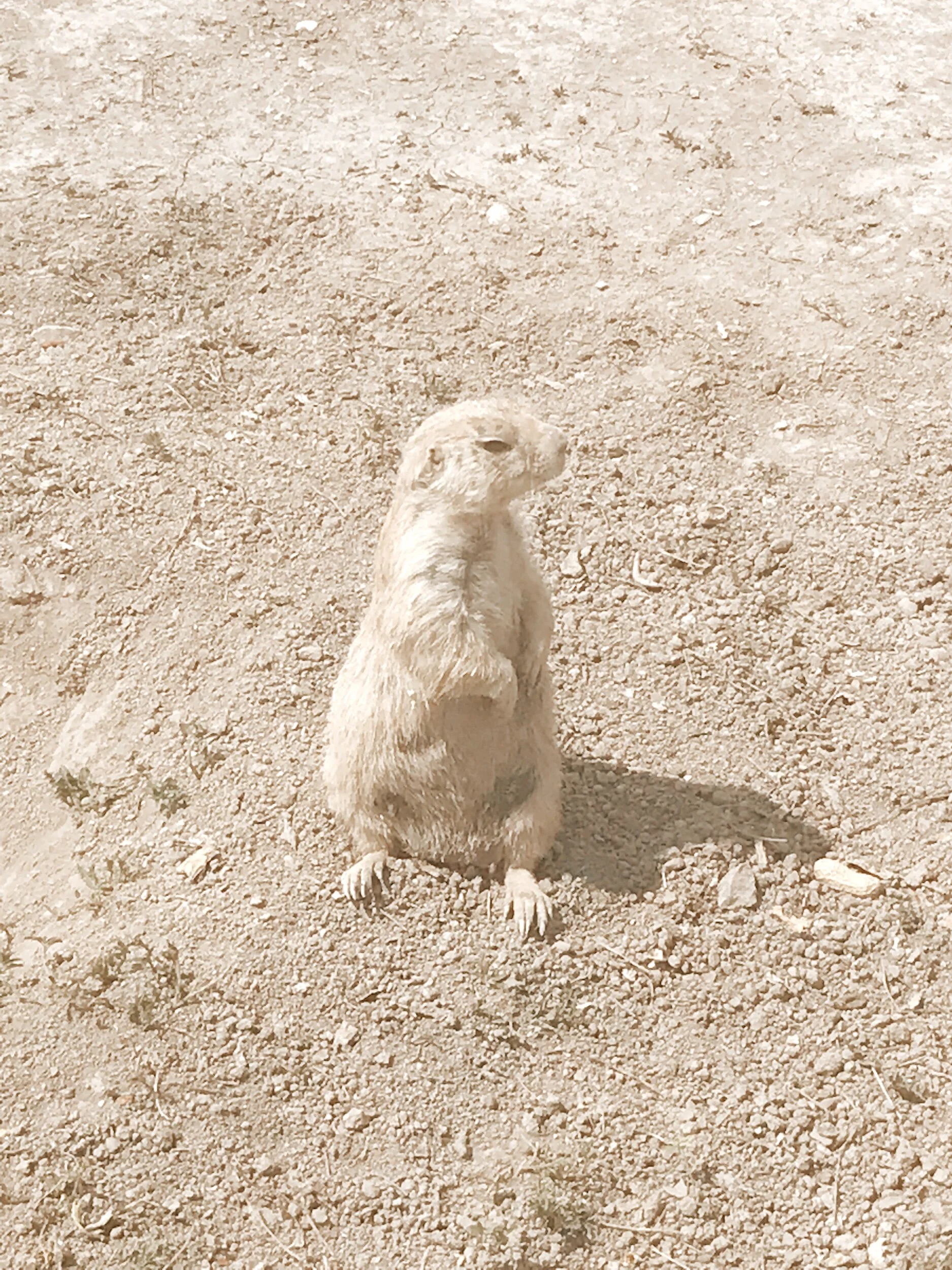
The Ranch Store of the Badlands : For 50 cents you can get a huge bag of peanuts and feed local prairie dogs! They are SO cute and will come really close to you! DO NOT touch them or stick your hands down into their Burroughs.

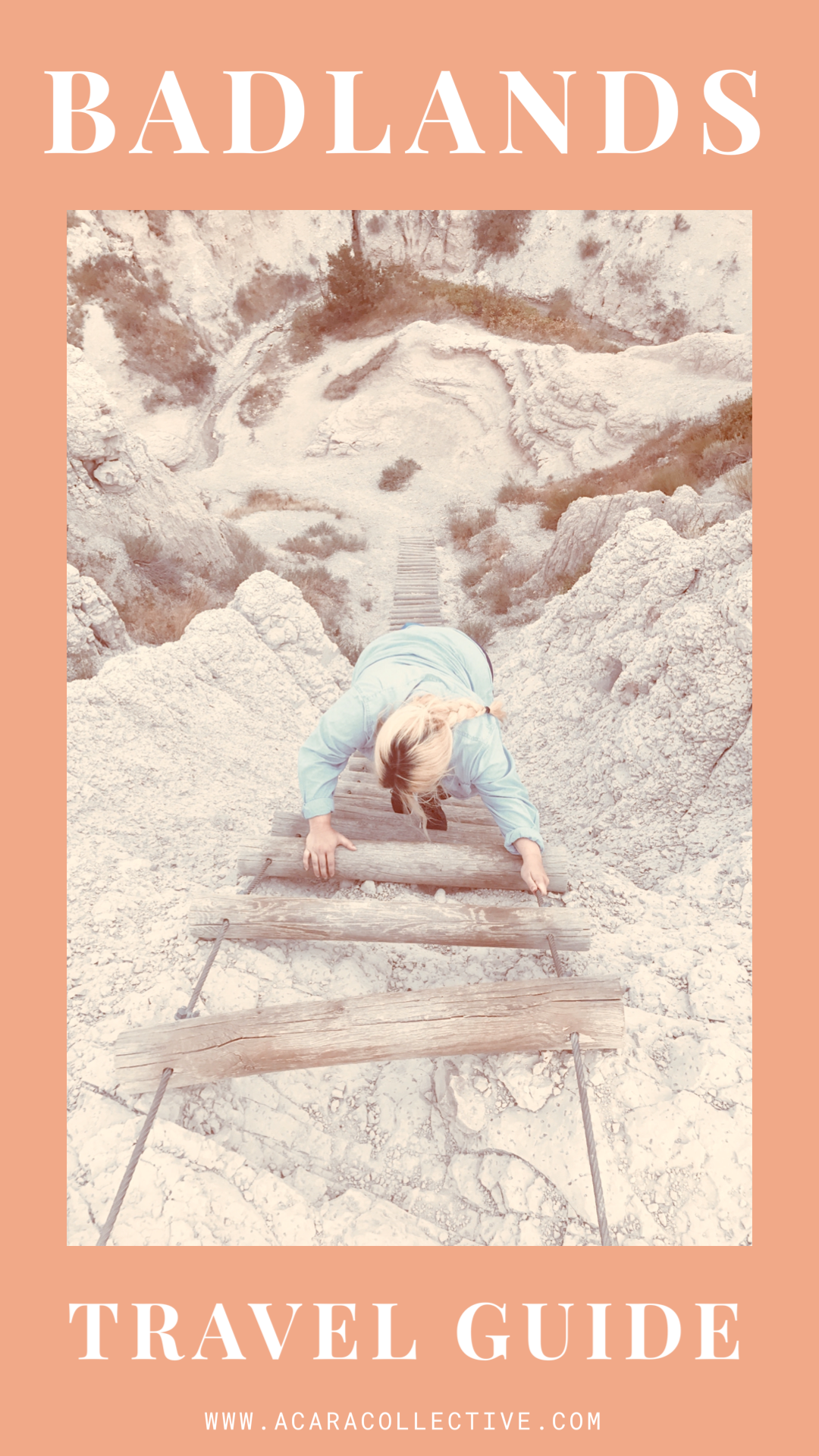
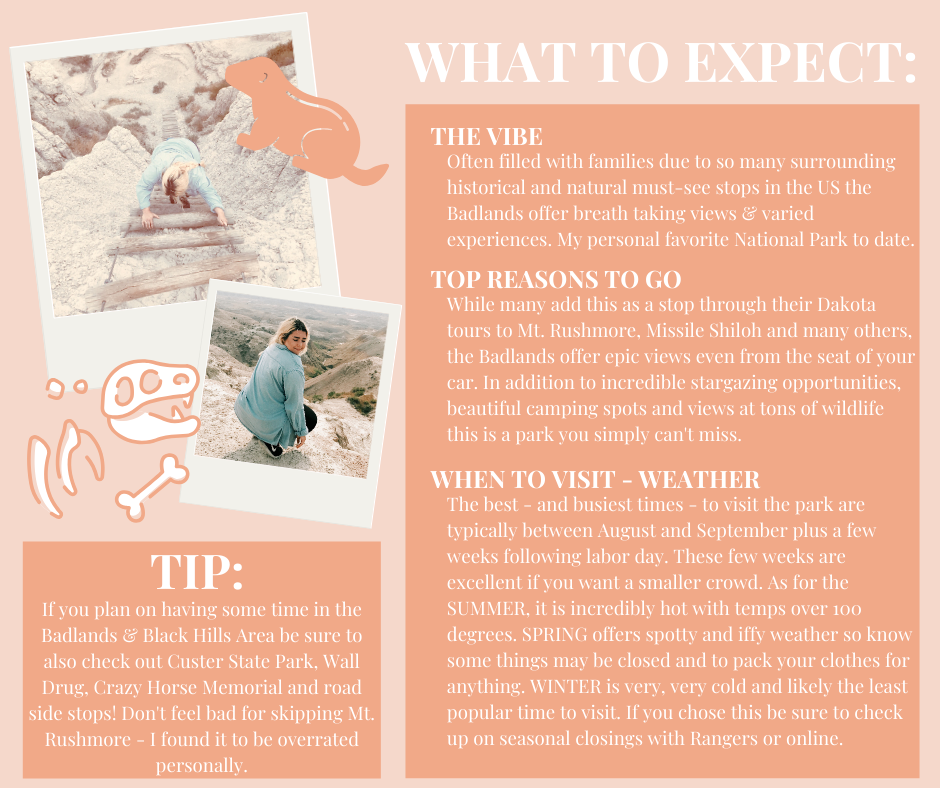
Notch Trail : You might have seen one of the many photos (like my own!) of this famous trail’s ladder. This 1.5 round trip trail is considered a moderate to strenuous trail due to the ladder climb but is totally worth it! I will say if you have a fear of heights to give it a go, but be prepared on the climb you may get a bit fearful. My mom is terrified of heights and was able to do it, but took some time convincing. Once you see the end view, it’s totally worth it.

IMG_4946.jpeg

Wall Drug : Ok so this isn’t technically in the Park BUT it is something you really ought to go to! It is a quintessential American Road Trip stop that people have been visiting for GENERATIONS. It might not be a place you purchase anything but it is something worth checking out! With rows of merchandise and just an all around South Dakota experience I highly recommend!

Badlands Loop Road : If you like exploring from the car or need an AC break this is the perfect road to see all the pretty sites from your car or have the option to pull over and get out at small intervals!

IMG_4944.jpeg

Free Roaming Wildlife : while there isn’t one place to be able to see the wildlife keep an eye out for Big Horn Sheep, Bison and Coyotes! Be sure to drive smart & slow to avoid hurting these animals and do NOT approach these animals - they will defend themselves! Take photos safely from afar, ideally in the car!

Yellow Mounds Overlook : This is a special site with yellowed portions of rock formations that are unlike anything I’ve ever seen! Be sure to check this out!

If you’re planning on visiting multiple park, purchase a parks pass! Also known as the American the Beautiful pass, the parks pass works at all National Parks & Forrests for admittance (usually anywhere from $10 - $25+) and quickly pays for its self. The America the Beautiful pass is $80 for the year so if you plan on visiting more than 2 - 4 parks in the year it is a wonderful investment with access to over 2,000 destinations. Plus, there are discounts for seniors, military and those needing ADA accommodations with varying prices or discounts.

If you’re going to be in the area- check out some other things near by! Custer State Park, Mount Rushmore & Wind Cave National Park are all near by options if you’re looking to add to your itinerary! From personal experience I would highly recommend Custer State Park if you can only visit one! While Rushmore is an iconic part of American culture & lore I personally found it super overrated. Check out Crazy Horse Memorial instead & stick it to the colonizers.

The best time to photograph here is early morning or golden hour! If you’re like me and you love taking photos on your trips be sure to either be an early riser or diligent on taking time during golden hour. Beyond those two times it can be incredibly difficult to get a good image due to harsher lighting.

Where is the Badlands National Park Passport Stamp Station? You can find the main stamp at the Ben Reifel Visitor Center! Be sure to check smaller stations throughout for bonus stamps!

Be flexible with weather! The weather in this part of South Dakota can change from one extreme to the other quickly- like from snow to hot to rain and something in between in one day or a couple. Be sure to layer and bring gear for all weather types.

There are 3 Entrances : If you’re coming from the West you’ll enter through Pinnacles Entrance which is closest to Pinnacles Overlook, Hay Butte Overlook and Robert’s Prairie Dog Town. If you’re coming from the South you’ll enter through the Interior Entrance putting you close to Cedar Pass Lodge. If you’re coming from the East, you’ll enter through the Northeast Entrance putting you close to the visitor center I highly recommend stopping in to get your stamps, talk with a ranger and learn more about the area.

Pack Sunscreen & Layers : With unpredictable weather and very little vegetation offering shade doing both of these will save you sun burn, chills and more. Prepare for all the seasons when visiting here!

Leave No Trace - You might hear phrases like this throughout the Park & the community who appreciate it but it is a pinnacle of being a steward to our parks. Do your very best to make as little impact as possible on nature by keeping vehicles on paved areas, not disturbing or altering wildlife, cleaning up after yourself (and others), essentially - leave it better than you found it.

4.png
April 21, 2020 /Cara Lentz
South Dakota, National Parks, travel, Travel, Road Trip
Travel
Comment
1.png

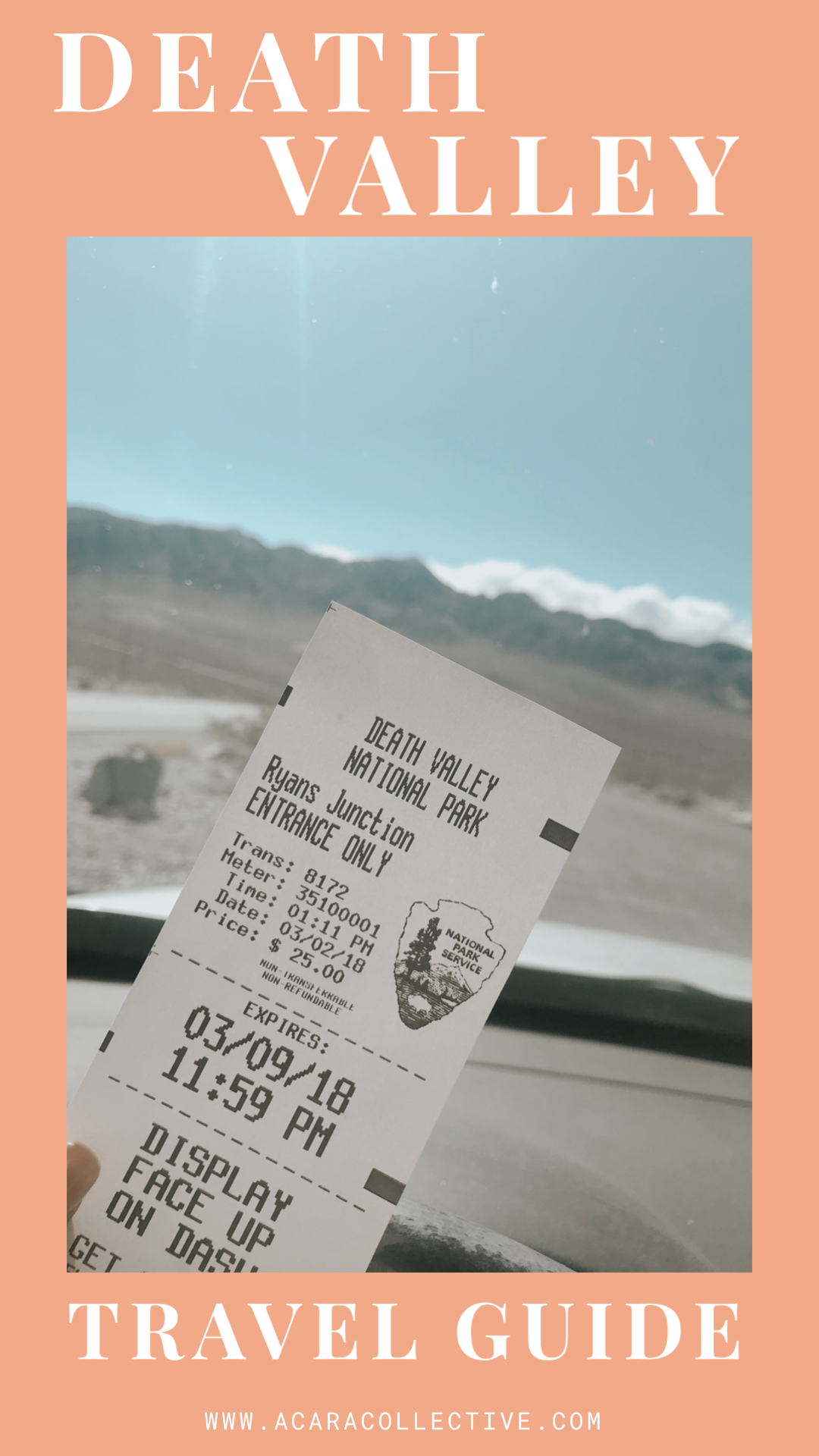
National Park Travel Guide: Death Valley

April 20, 2020 by Cara Lentz in Travel
NP Basics (ALL).png
1.png

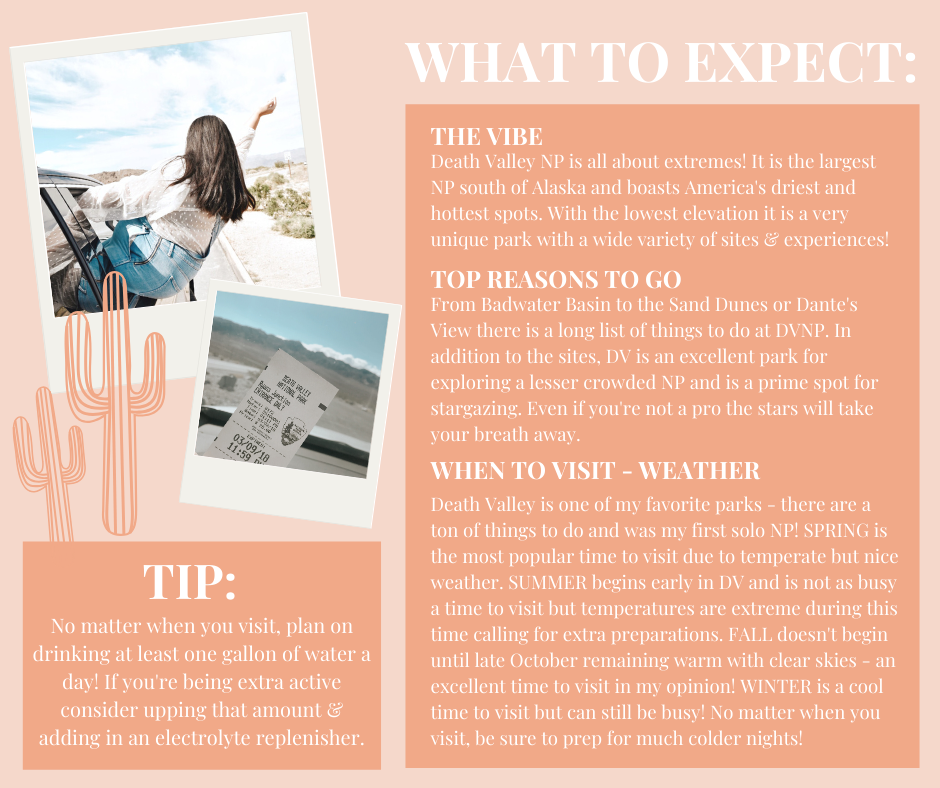
With over 3 million acres, Death Valley is one of the largest national parks in the US with tons to do while you’re visiting! If you plan on spending more than one day here I highly recommend organizing your days based on location, grouping each days activities to one region of the park!

IMG_4888.jpeg

Hiking : If you’re visiting in the hotter months it really is important to avoid hiking. If you really must and its safe, Telescope Peak is a beautiful option. At 14-miles round trip, this hike starts at the Mahogany Flat Campground. If you’re looking for something shorter, give the one-mile hike to Natural Bridge a shot. It’s family friendly and ends with a really cool arch. Some other great options include Golden Canyon, Gower Gulch, and Zabriskie Point

Driving : one of my favorite ways to see a park, especially when short on time, is by driving. With DV having nearly 1,000 miles of road this is an excellent park for this. If you are looking to get off road, be sure you car has the proper clearance and four-wheel drive. If not, you can rent a jeep from Farrabee’s located near the Furnace Creek Visitor Center.

Cycling: while I personally have never biked around the parks I have been suggested to OFTEN! While a typical bike will keep you on the paved roads a mountain bike (and lots of extra gear) can get you out on trails. Want to bike but don’t wanna go solo? Local folks & REI-types offer paid tours!

Stargazing : I might not be a pro but one of my favorite things in the parks is to stargaze. If you do know a bit more, or want to know more, there are some seriously beautiful sites here. Due to such low light pollution Death Valley is actually a certified Dark Sky Park by the International Dark Sky Association. Rangers lead night sky programs where you can learn to better identify what you’re seeing and some science behind it.

If you’re like me an enjoy creating a to-do list for your travels, here are my tops picks on what to see:

IMG_4889.jpeg

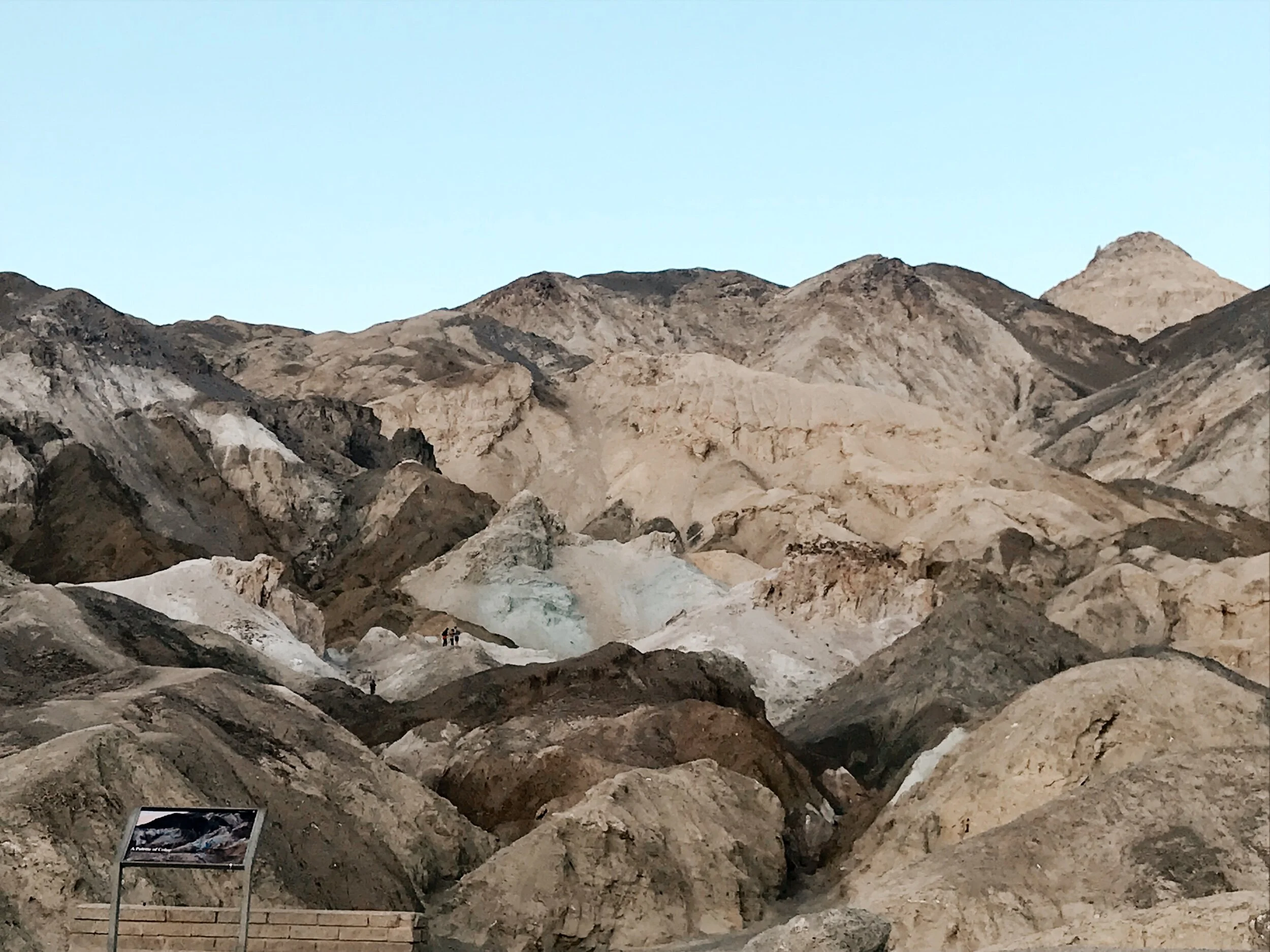
Artist’s Palette - I highly recommend taking this scenic drive, especially at sunset, and pulling off to take it all in multiple times. This is by far one of my favorite parts of the park.

Titus Canyon - while driving through is only accessible by SUV with 4WD, this is an absolute must see if you have the wheels.

Badwater Basin - the lowest elevation in North America can be found here with over 200 miles of salt patterns that look especially amazing at sunrise or sunset. If you love photography this is an incredible place to shoot.

IMG_4887.jpeg

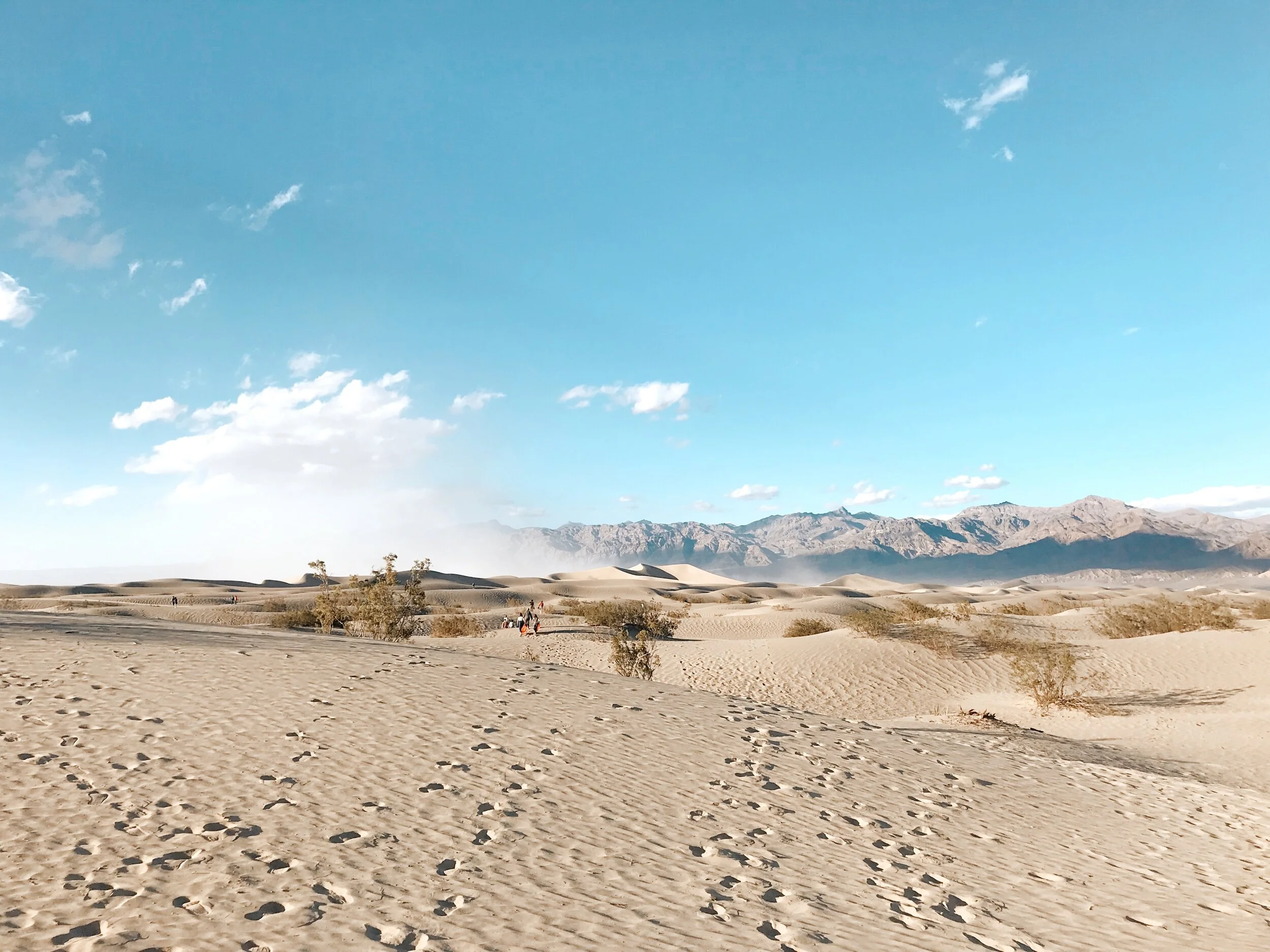
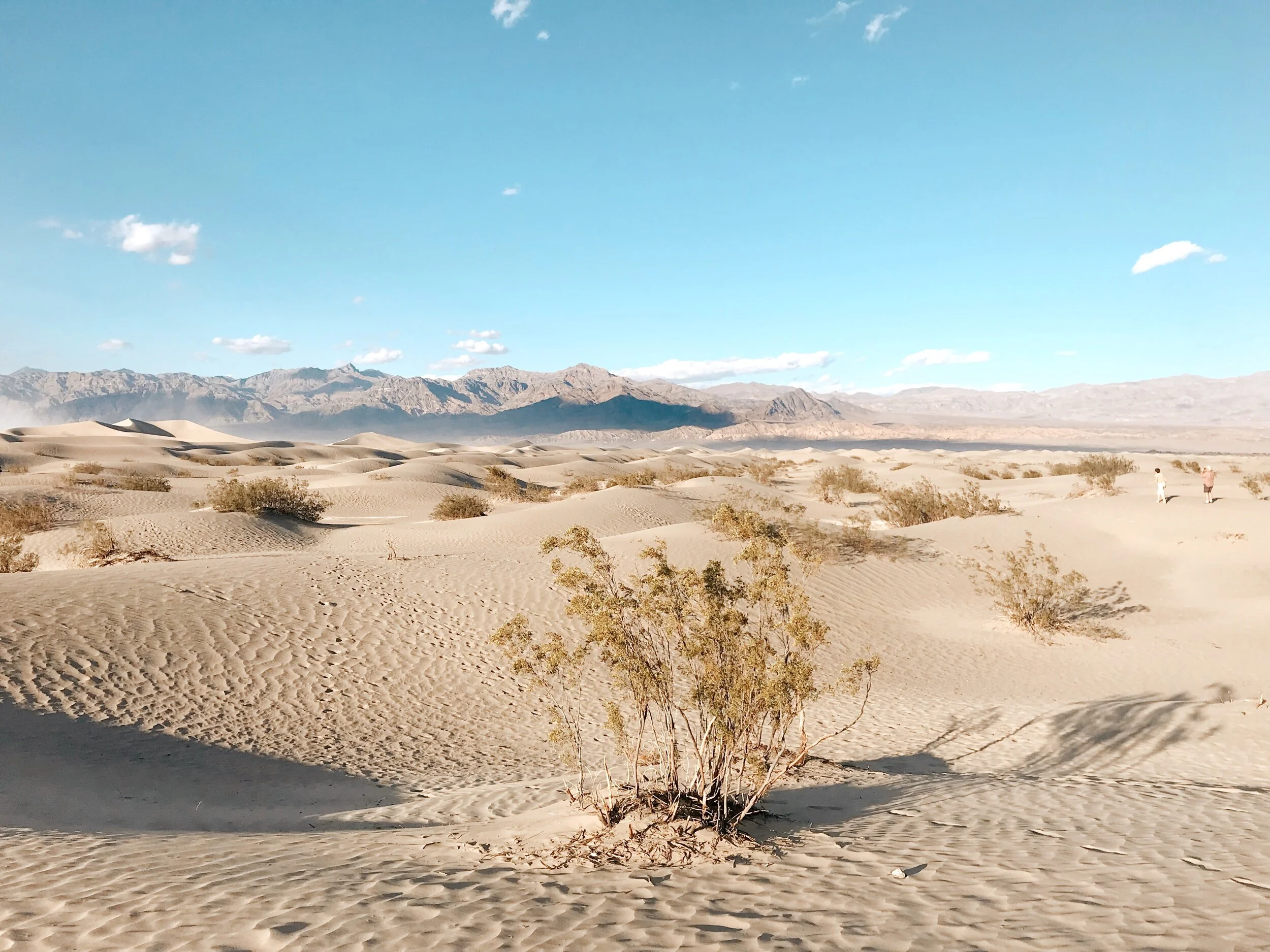
Mesquite Sand Dunes - this was probably my favorite place in the entire park! While they’re not quite the Sahara Desert, they easily climbable, look amazing especially at sunset and are most uncrowded given how expansive the area is. If you’re interested bring a sled or board to “surf” down the dunes.

2.png

When I’ve visited I have always camped as that’s my preference, but there are tons of options!

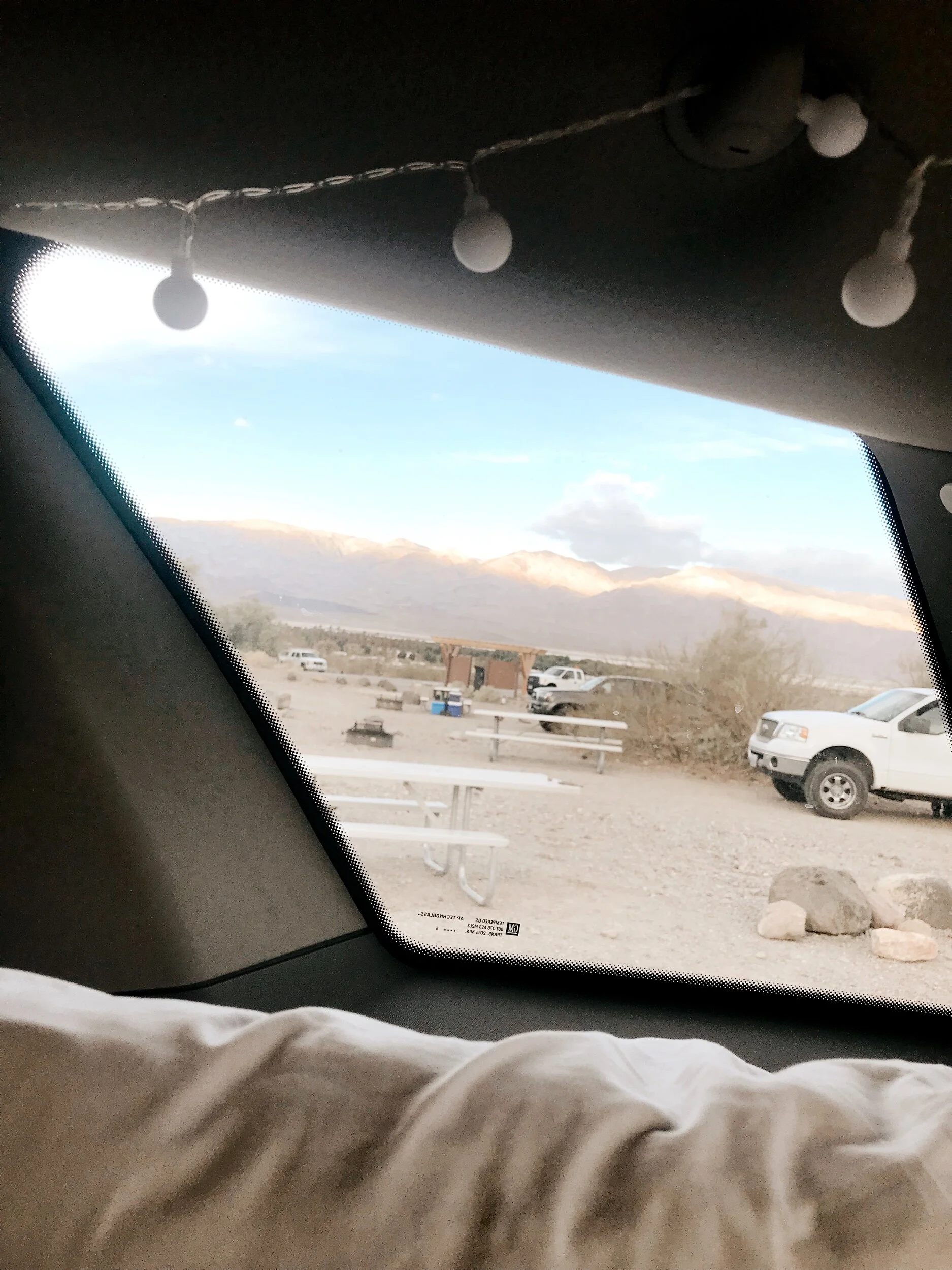
Camping - The park has nine campgrounds - four of which are free! The others start at $14 and all of them are on a first come, first served basis the only exception being 136-site Furnace Creek which is $22. In my time there I stayed at Stovepipe Wells and had the perfect mountain view for sunrise I’m still not over. Unlike many other parks, Backcountry camping is allowed but only in previously disturbed areas. If you opt for this be sure to park you car right next to the road to minimize your impact.

IMG_4886.jpeg

Hotels - In the park its self there are four hotels - Panamint Springs Resort, Stovepipe Wells Village Hotel, the Ranch at Death Valley and the Inn at Death Valley. If you’re looking outside the park there is affordable lodging in the town of Beatty or Death Valley Junction. If you plan on visiting during the summer or any hotter months I do recommend staying at a hotel to help beat the heat.

Airbnb - On the outskirts of the park you can find loads of airbnbs ranging in price from $50 - $500 depending on your groups size, amenities and so on. If you’re looking for a more local experience I would recommend going this direction!

Pack Layers - Even if you plan on visiting in the hottest months, the temps change drastically from the morning to night and you want to be comfortable at every turn!

Be prepared for sand - like many desert parks there will be sand just about everywhere. Be sure to prep for this getting in your car. If you’re like me and sand drives you crazy consider changing shoes between the outdoors and your car.

Get extras - especially water - In the park there are not a ton of options for purchasing water or foods so be sure to do that before you get in the park! Be sure especially to have lots and lots of water - at least a gallon for each day you will be there.

Safety: Like any National Park there are typically special aspects of it - the environment, wild life, weather, etc. that calls for some specific safety precautions- these are those for DV.

  • DRINK WATER - at least one gallon of water per day is essential to replace what you will lose in sweat. The more active you are, the more you should drink.

  • Avoid hiking if it’s hot - even though you might be in a lower elevation, the heat in DV is often too much for even the most healthy and experienced of hikers. Additionally, if there is snow or ice present, do not hike.

  • Travel Prepared - if you plan on taking a hike or driving through the park be sure to stay on paved roads and carry extras like water, food and so on in case your car breaks down or some other emergency.

  • Be mindful - if at any time you feel dizzy, nauseous or develop a headache, get out of the sun and drink water and/or drinks with electrolytes. Do your best to lower your body temperature by dampening clothing. Heat stroke can be common, but it doesn’t have to be by being aware of your body. Be on the look out for other exhibiting these symptoms as well.

  • Drive safe - the #1 cause of death at DV is actually from single-car accidents. To avoid accidents be sure to follow the speed limits, shift to lower gears on step grades, wear your seatbelt and air on the side of caution.

  • Don’t stick your hands or feet where you can’t see - You probably could have guessed there are some dangerous critters around DV. Including rattlesnakes, scorpions and black widow spiders, the best way to avoid being bit or poisoned is by avoiding what you can’t see.

  • Be aware of flash floods - when it’s raining or has recently rained be sure to avoid canyons and when needed move to higher grounds. Be sure to check for signage where you’re driving as well to be alert for changing roads due to closures.

  • Don’t explore mines - while it might look cool, the mines around the park are unstable with hidden shafts, pockets of poisonous air.

  • Get Your Permits - If you plan on going back packing, be sure to secure your free backcountry permit from any visitor center in the park.

  • Tell someone what you’re doing & set up a check in time/date - any time you’re in the outdoors with spotty service be sure to share your plans with someone outside the park. By setting up a time/day check in you can be assured if emergency arises there will be someone to report you missing.

  • If you see Marijuana Plants… get the hell out of there - alright so this might sound kind of weird, right? While I personally have zero problem with marijuana (in fact I think it should be totally legalized & decriminalized retroactively as well) if you come across these in a NP it’s likely part of an illegal situation. Having actually had this happen to me in the Redwoods I can tell you some of the folks running these ops will not hesitate to harm you to keep what they’re doing secret. As soon as you realize what is going on, get out. Don’t take photos or look around, just leave. Go back exactly how you got in and be as quite as possible. Get to a safe location as far away as possible and if you would like, notify the Park Dispatch with your exact location (coordinates or physical description).

  • Have an emergency? Call 911. While your cell might not work in the park, there are pay phones and emergency phones located throughout the park as needed and any will dial 911.

2.png


April 20, 2020 /Cara Lentz
National Parks, travel, Travel, California, Nevada
Travel
Comment
1.png

Joshua Tree Travel Guide

March 14, 2020 by Cara Lentz in Travel

Having visited on a few different adventures I can positively say Joshua Tree is one of my favorite places to go. Whether you’re looking to hike, enjoy the uniqueness of the desert, explore your love for the National Parks or even just snap some stunning photos, JT truly has something for everyone. In this guide I’ll be sharing TBD.

IMG_2575.jpg
1.png

Regardless of your interests there is so much to do here for everyone and a great place to find something new to love!

Scenic Drives - Driving around here alone is incredible, though parts of the part are best experienced on foot. Be sure to have a packed backpack or “go” bag that has all the essentials because there is very little available throughout the park. Be sure to download any apps, maps or similar before entering or starting your route - cell service is basically nonexistent.

Hiking - There is TONS of hiking options here throughout the park. Some of the best are the one-mile loops around Barker Dam (home to one of the few watering holes in JT), three-mile Ryan Mountain Hike that leads to the Wonderland of Rocks and 6.3 Mile hike around Black Rock Campground that leads to Warren Peak. There are hiking trails available for ALL levels and abilities so be sure to take on something you are ready for and always bring a buddy! If you are looking for a longer hike I’ve been recommended the 16 mile roundtrip Boy Scout Trail that passes the Wonderland of Rocks and Willow Hole. If you take this in particular seasons there is even a seasonal water hole that brings out many critters!

Climbing - While I personally have never ever gone climbing here I have seen tons of people doing it (or giving it a try!) The rocks here are wold famous but be warned- climbing here is no easy feat. From grit that will take flesh right off be sure to pack extra tape and other things you need to take care of yourself. The Hidden Valley area is especially popular for climbing. If you want to brush up, learn or even just better understand the climbing situation here you can even take a class while in the park!

Horseback Riding - To be fair, this is not your typical summer camp type riding - this is for well-prepared equestrians. If you are interested in doing this, you are best off coming in the park’s North entrance near Twentynine Palms.

Bird Watching - If you are into birds this is a perfect place to check them out given JT’s place along the Pacific Flyway migration route. With over 250 different specifies of birds there is so much to observe year round! Spring visits are best if this is of interest to you!

Cycling - Bikes are allowed on all of JT’s public roads so if this is your thing, you’ve got it! Stick to the dirt roads if you’re looking to solitude! Queen Valley Road is gorgeous and often recommended for a chill ride. Plus, it leads to the Desert Queen Mine trailhead if you’re looking for more! Be sure to lock your bike up at the trail head while on the hiking adventure. Looking for more recommendations on site? The Joshua Tree Bicycle Shop is perfect for those and rentals!

Star Gazing - With little light pollution and huge, expansive skies JT is one of the best places for stargazing in the country. This is one of my favorite things to do when we visit even if I don’t know much about the constellations or what it all means. Taking some time after sun down to lay on the top of your car or just sit outside looking up is one of my favorite things in the whole wide world and I couldn’t recommend it more if you’re out here!

2.png

Camping - Snagging a campsite in JT is super competitive during peak seasons no matter the day of the week! If you plan on camping, get there early for those you can’t reserve and if you can reserve, do so as early as possible here! Some of these campsites include Indian Cove, Black Rock, Jumbo Rocks, Cottonwood, Belle and Ryan.

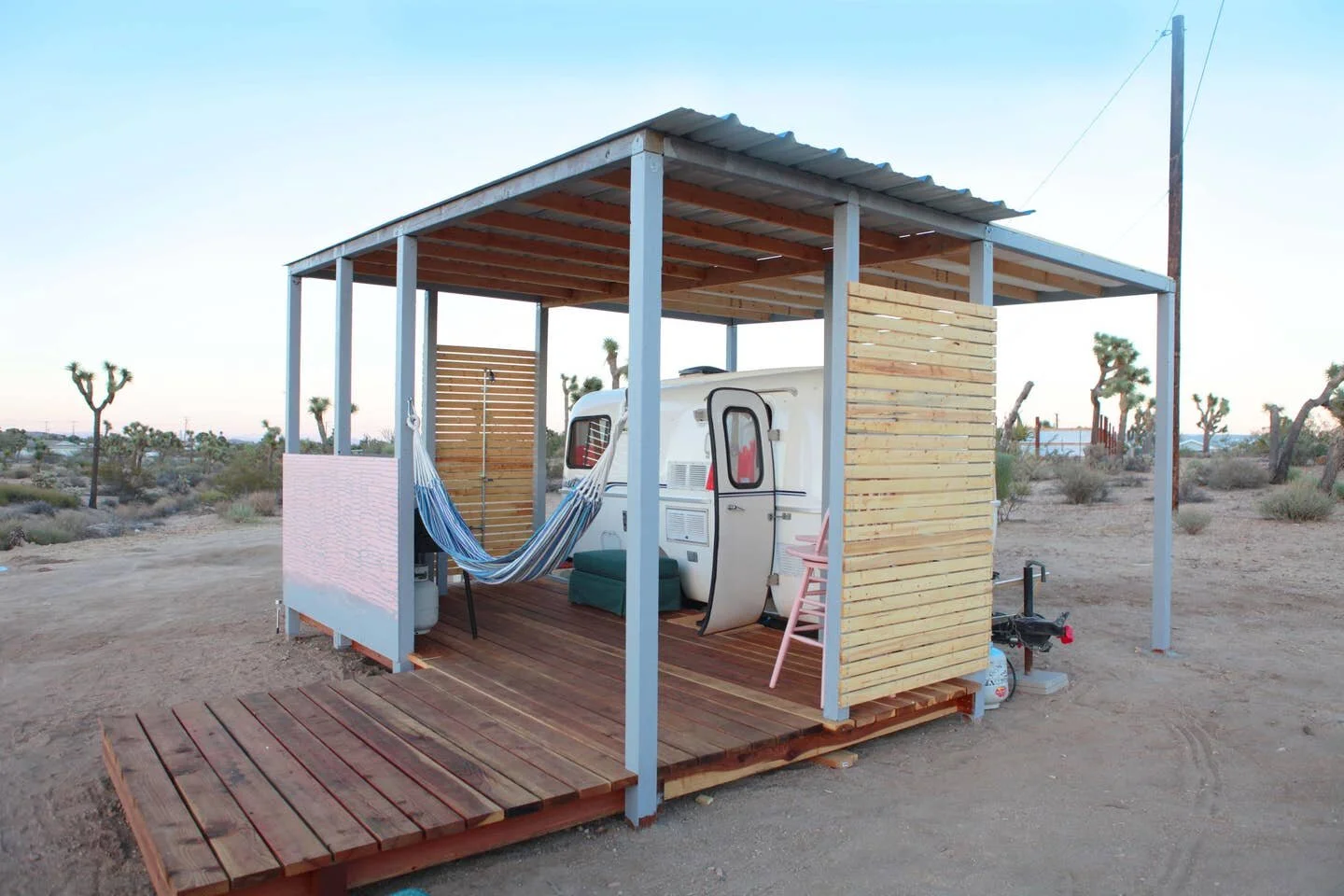
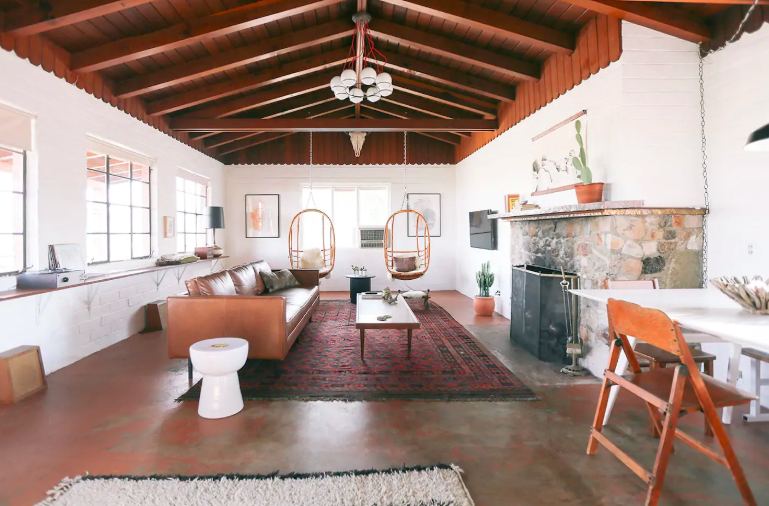
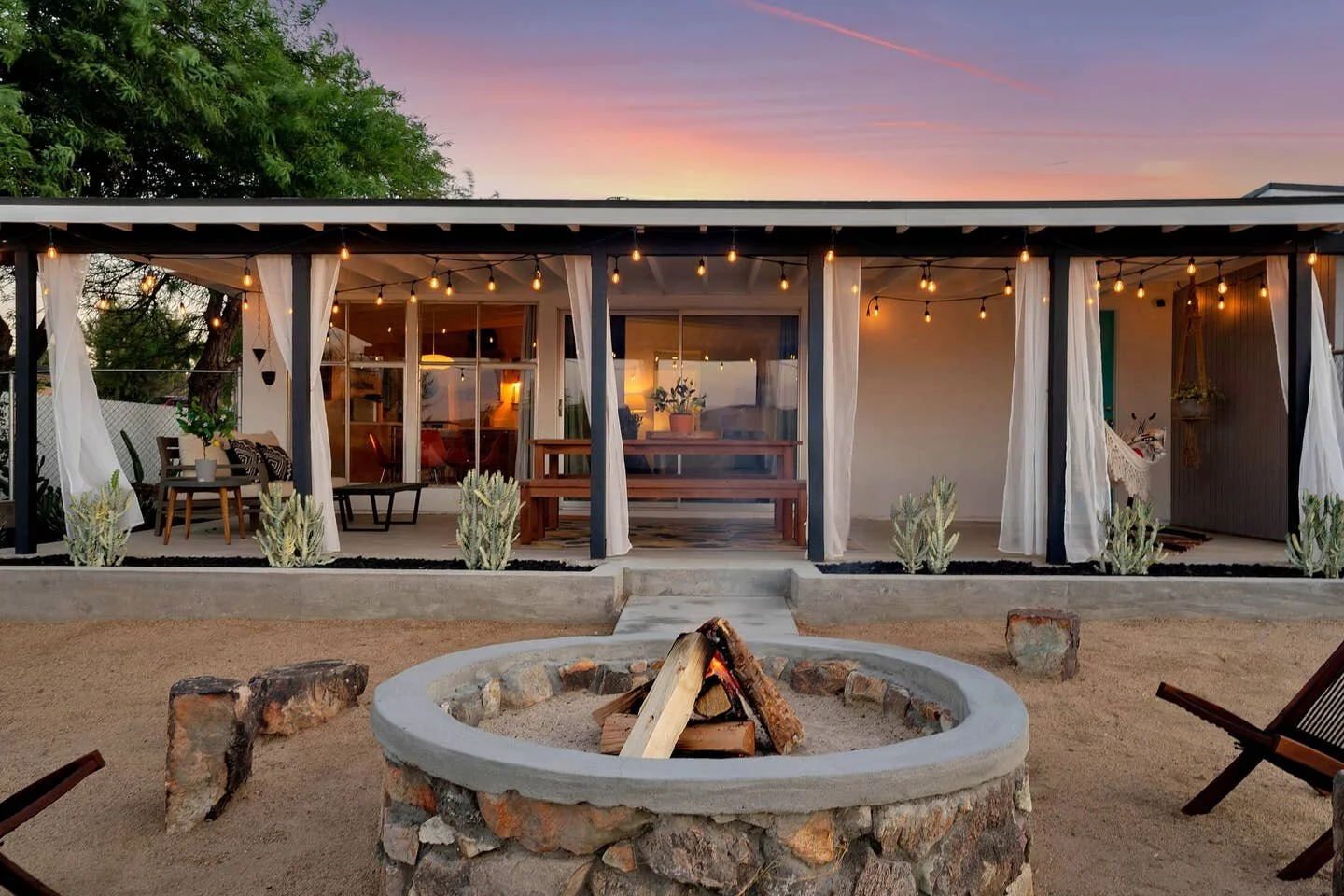
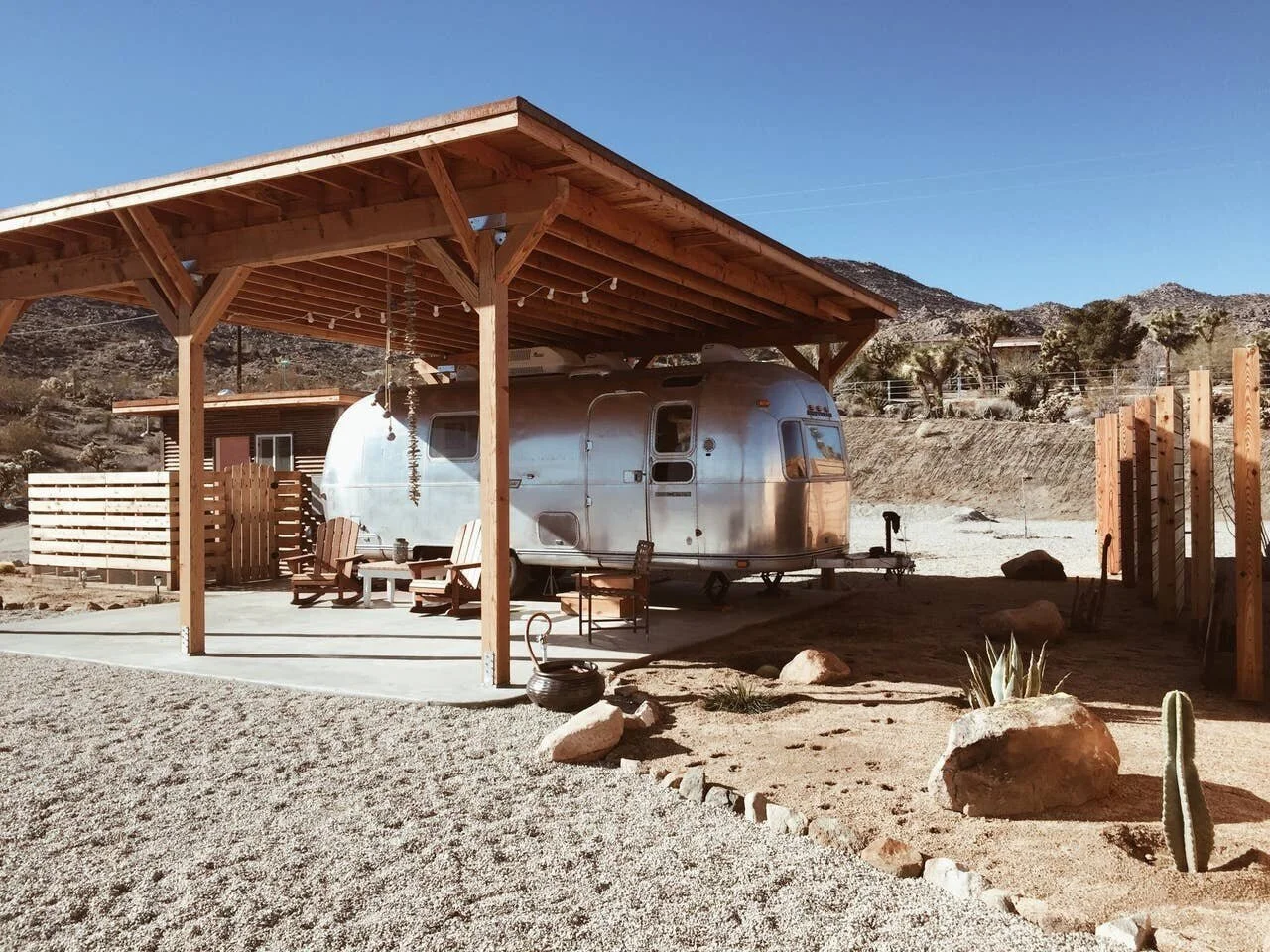
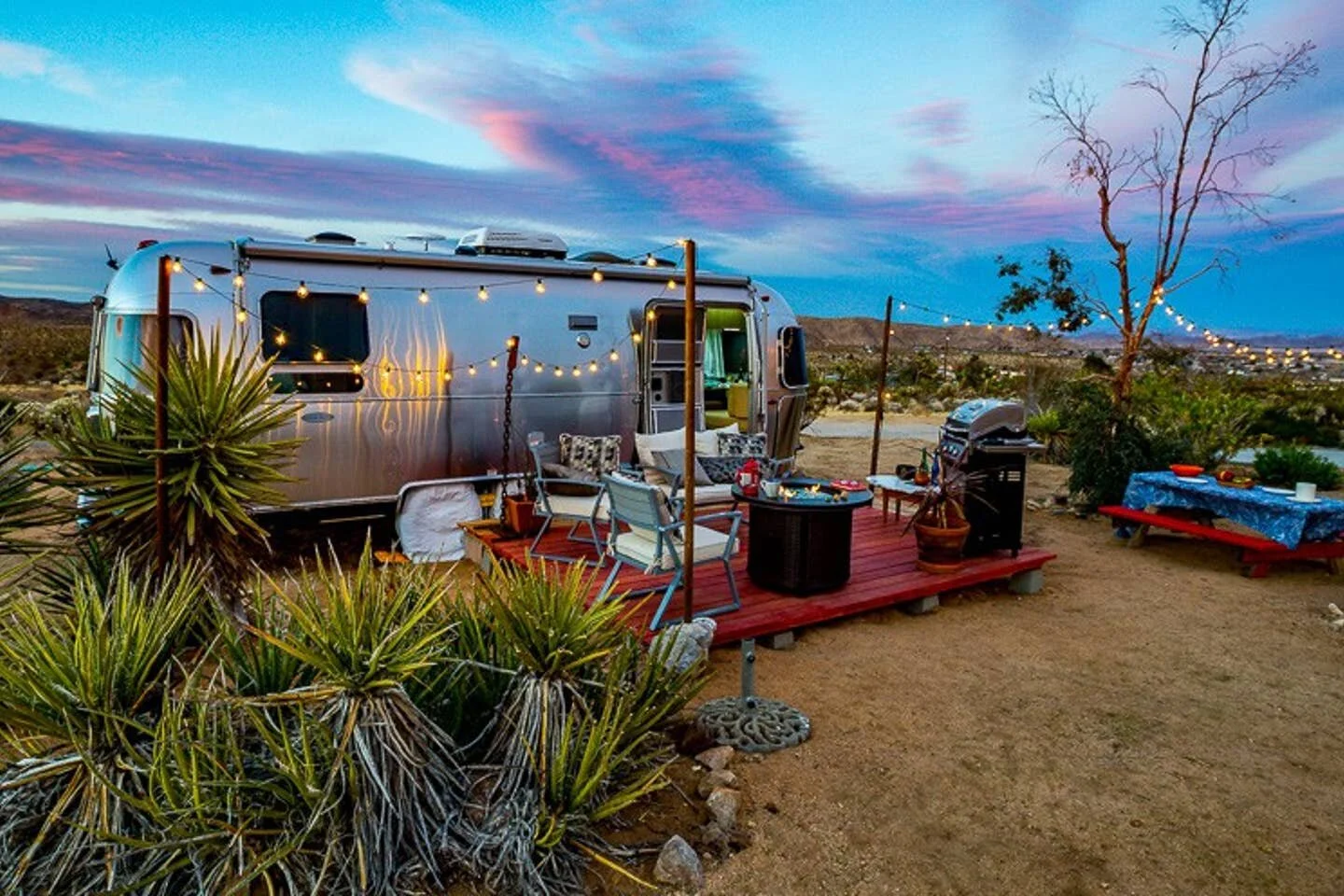
Airbnb - If you find yourself more into Glamping or even just a typical rental home I can’t recommend Airbnb enough. I typically use Airbnb while traveling and did so in our most recent trip! If you want to save up to $55 off your first trip, click through here! I’ve rounded up some of my favorite places below including our most recent stay just North of the NP in Yucca Valley.

The Love Egg
The Love Egg

Our most recent and loved AirBnB stay!

The Joshua Tree House
The Joshua Tree Explorer House
Cactus Jax Cottage
Cactus Jax Cottage
Desert Airstream
Desert Airstream
Earth House
Earth House
Magical Airstream
Magical Airstream
The Love Egg The Joshua Tree House The Joshua Tree Explorer House Cactus Jax Cottage Desert Airstream Earth House Magical Airstream
2.png
3.png

Buy The Annual Pass - When you visit you can buy either the day pass or the annual pass. At most the annual pass is $80 BUT it does get you into every inter-agency park, place, etc. for the next 12 months. If you have any plans for the next year to visit a park or national monument I highly recommend buying this! It pays for its-self very quickly and is something special to add into your travel plans.

Beware of the spiky chollas (and other spiky wildlife!) - While the Jumping Cacti look cute, they truly do hurt if you get them on you. When hiking and moving around in JT be sure to be aware of your body, where you’re moving and stepping. These things are no joke and can seriously hurt you AND mother nature.

Make time for Golden Hour - Whether you’re taking photos or not, golden hour is especially beautiful and mesmerizing here. Get outside either where you’re staying, on the scenic drives or trails and take in how seriously beautiful JT is during these warm colored hours.

The Best Time to Visit - Even though people are here year round, the best (and busiest) times to visit are during the fall and spring months when the temps stay between 50 and 85 degrees. The lowest temps can be felt during the winters getting down to 35 degrees and the highest temps can be felt in the summer reaching over 100 degrees. If you do decide to visit during one of the winter or summer times be sure to prepare for the elements!

Adjustments.jpeg

PLAN your trip here - From purchasing your annual pass to figuring out what trails you want to hit, planning your visit here will be the difference between an amazing time and a total bust. Research and plan and ensure you have a great time doing what you love!

Pick an entrance - JT alone is larger than the entire state of Rhode Island which means there is a lot of area for your to explore. Despite that, there are only three main entrances (West, North and South). Regardless of where you enter be mindful that the parking lots and camping may fill so getting in earlier than later may help you out a ton depending on when you visit!

What to bring- Beyond the normal be SURE to bring water and sunscreen. No matter when you visit these two are absolutely essential. The NPS stresses that there are NO water sources in the park so bringing extra will only benefit you (and possibly those who don’t if you’re kind). Additionally, be sure to fill up on gas BEFORE entering the park. There aren’t any gas stations within unlike other NP’s so plan ahead!

Be safe! - Every year JT sees about 60 search and rescue operations and you do not need nor want to be one of them! Whenever you find yourself exploring nature or anywhere without reliable cell service be sure to not do so alone, have scheduled check-ins with friends or family and carry enough water to avoid heat stroke.

Leave It Better Than You Found It- If you’re familiar with being outdoors you know this phrase and those similar (Leave No Trace) but seriously - be sure to clean up after yourself and leave the park as clean if not better than you found it to help preserve its magic for others for generations to come!

3.png
March 14, 2020 /Cara Lentz
Travel, travel, California, National Parks, National Park
Travel
Comment
 

ABOUT | APPROACH | CONNECT | CONTACT | INQUIRIES

© 2026 A Cara Collective | All Rights Reserved